
Happiness & Success
Achieving Happiness Through Acceptance of Life
The quest for happiness often leads to frustration, as many fail to realize that the...









Democracy functions best when citizens understand the systems that shape their political power and representation. Few topics are more critical to personal empowerment than understanding how the electoral maps that determine political representation are drawn, who draws them, and what happens when the process becomes weaponized for partisan gain. This eye-opening investigation reveals how sophisticated gerrymandering strategies have fundamentally altered the American political landscape, and more importantly, what engaged citizens can do to reclaim their voice in the democratic process.
At its core, this work examines a coordinated effort beginning in 2010 to strategically redraw congressional and state legislative district boundaries across America. Through meticulous research and compelling storytelling, readers discover how political operatives used advanced data analytics, precise demographic information, and surgical map-drawing techniques to engineer electoral outcomes before a single vote was cast. The result has been legislative bodies that often fail to reflect the actual political will of the electorate, creating a disconnect between citizens and their representatives that undermines the very foundation of representative democracy.
For readers focused on personal empowerment, understanding these mechanisms is essential. True empowerment requires knowledge of the systems that either amplify or diminish individual political power. The detailed examination provided here illuminates how redistricting affects everything from local school boards to state legislatures to congressional representation. When districts are manipulated to predetermine outcomes, individual votes lose their transformative potential, and citizens become disconnected from the democratic process that should serve them.
Read more ▼
James F. Twyman
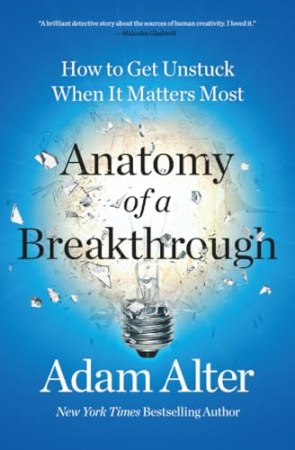
Adam Alter

Susan Sosbe

Kenneth Ray Stubbs
The quest for happiness often leads to frustration, as many fail to realize that the...

Reaching sixty can evoke complex emotions, blending relief with ongoing ambition. This...

The quest for life's purpose often leads to unsatisfactory answers. This article...

Imagine going through one of the most physically and emotionally demanding experiences...

Romantic love is a complex emotion shaped by historical, cultural, and biological...

Daily actions often conflict with personal beliefs due to past experiences. By utilizing...

Have you ever argued over something that wasn't actually said? From cultural differences...

Therapists often use dream interpretation to delve into patients' emotions, but true...