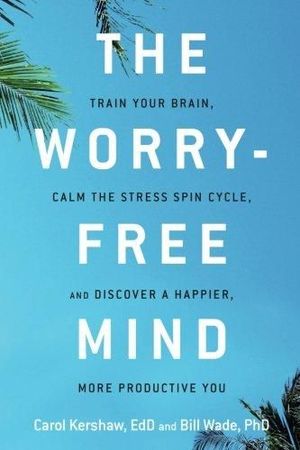
Chronic worry has become an epidemic in modern life, stealing peace of mind and diminishing the quality of everyday experience for millions of people. Whether it manifests as constant rumination about potential future disasters, persistent anxiety about relationships and career, or an endless loop of "what if" scenarios that keep you awake at night, excessive worry creates a prison of mental anguish that prevents you from fully engaging with the present moment and living the life you desire.
Drawing on cutting-edge neuroscience research and decades of clinical experience, this groundbreaking guide offers a comprehensive roadmap for breaking free from the relentless cycle of worry and anxiety. Rather than simply managing symptoms or learning to cope with constant mental distress, readers discover how to fundamentally rewire their brain's response patterns and create lasting change at the neurological level.
At the heart of this transformative approach lies the understanding that our brains possess remarkable plasticity—the ability to form new neural pathways and alter existing ones throughout our lifetime. This means that even long-standing patterns of chronic worry can be interrupted and replaced with healthier mental habits. By leveraging specific, scientifically validated techniques, anyone can train their brain to respond differently to stress triggers and anxious thoughts.
The methodology presented here synthesizes multiple therapeutic approaches, including cognitive behavioral therapy, mindfulness practices, and innovative brain-based interventions. Readers learn practical strategies for identifying the root causes of their worry patterns, understanding the neurological mechanisms that perpetuate anxiety, and implementing concrete steps to create new, more adaptive responses. These aren't abstract theories or wishful thinking—they're evidence-based practices that have been proven effective in clinical settings and real-world applications.
One of the most powerful aspects of this approach is its emphasis on self-directed neuroplasticity. Rather than remaining dependent on therapists or medications, individuals gain the knowledge and tools necessary to become active participants in their own healing process. Through specific exercises and techniques, readers discover how to literally reshape their brain's architecture, strengthening neural pathways associated with calm, clarity, and emotional resilience while weakening those connected to worry and anxiety.
The journey begins with understanding how worry actually works in the brain—which regions become activated, what neurochemical processes are involved, and why certain thought patterns become so deeply ingrained. This knowledge proves empowering, demystifying anxiety and revealing it not as an unchangeable personality trait but as a learned response that can be unlearned. Armed with this understanding, readers gain insight into their own mental processes and develop greater compassion for themselves.
Practical exercises guide readers through the process of interrupting worry cycles in real time, using techniques that range from simple breathing practices to more sophisticated cognitive interventions. These tools work synergistically to create multiple points of intervention, allowing individuals to choose approaches that resonate most strongly with their unique circumstances and preferences.
Special attention is given to the role of memory reconsolidation—a fascinating neurological process through which old, anxiety-producing memories can be updated and transformed. By learning how to access and modify these emotional memories, readers can address the deep-seated sources of chronic worry rather than merely treating surface symptoms. This represents a profound shift from traditional anxiety management approaches.
The integration of mindfulness and meditation practices provides additional support for developing present-moment awareness and disrupting the future-focused orientation that fuels most worry. However, these practices are presented through a neuroscientific lens, explaining exactly how and why they work to calm the nervous system and promote mental clarity.
Throughout, the emphasis remains on practical application and sustainable change. Readers aren't simply given information—they're provided with a structured program for implementing these insights into daily life, creating new habits that support long-term mental wellness. The result is not just temporary relief from worry but genuine transformation—a fundamental shift toward a more peaceful, present, and purposeful way of being in the world.
For anyone who has felt trapped by chronic worry or watched anxiety diminish their quality of life, this guide offers genuine hope grounded in solid science and proven practice. The promise isn't perfection or the elimination of all stress, but rather the development of mental resilience, emotional flexibility, and the capacity to meet life's challenges with greater ease and confidence.