

Deep within the human experience lies a fundamental tension between order and chaos, between rational control and wild, unbridled passion. This philosophical exploration delves into the dueling forces that shape not only artistic expression but the very foundation of how we love, relate, and experience connection with others and ourselves.
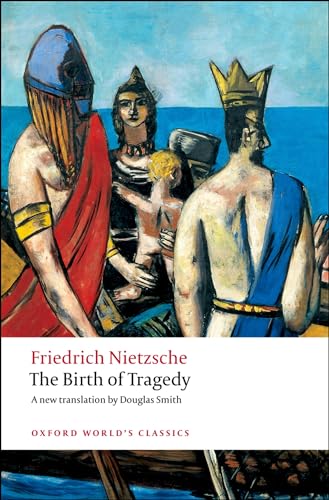
At its core, this work introduces a revolutionary framework for understanding the dual nature of human consciousness through the lens of ancient Greek culture. Two powerful forces are identified: the Apollonian, representing order, reason, logic, and individuation, and the Dionysian, embodying ecstasy, intoxication, emotion, and the dissolution of boundaries between self and other. This dynamic interplay offers profound insights into the nature of intimate relationships and the psychological patterns that govern our connections with others.
For those seeking to understand the deeper currents running through their relationships, this philosophical framework provides invaluable perspective. The Apollonian impulse toward structure and boundaries often manifests in our need for security, predictability, and clear definitions in partnerships. We create rules, establish expectations, and maintain our sense of individual identity even within union. This aspect of human nature protects us, gives us form, and allows us to function as distinct beings capable of rational choice and self-determination.
Yet the Dionysian force represents something equally essential to genuine intimacy and transformative love. This is the realm of surrender, of losing oneself in passion, of the mystical union that lovers throughout history have sought and celebrated. It speaks to our deepest longing to transcend the isolation of individual consciousness and merge with something greater than ourselves. In romantic love, moments of Dionysian experience dissolve the rigid boundaries of ego, allowing profound connection and spiritual communion.
The tension between these forces illuminates many of the challenges faced in modern relationships. Too much Apollonian energy creates emotional distance, overintellectualization of feelings, and the construction of walls that prevent genuine vulnerability. Partners may coexist in neat, orderly arrangements that lack passion, spontaneity, and transformative power. Conversely, excessive Dionysian energy without balancing structure can lead to chaotic relationships marked by intensity without sustainability, passion without foundation, and merger that obliterates healthy individuation.
Understanding this dynamic offers a path toward more conscious relationship choices. Rather than unconsciously swinging between control and abandon, awareness of these dual forces enables intentional cultivation of both aspects. Healthy relationships require the safety and structure of Apollonian consciousness alongside the surrender and passion of Dionysian experience. This balance allows for both individual growth and profound union, creating space for transformation while maintaining necessary boundaries.
The exploration extends beyond romantic partnerships to address our relationship with existence itself. The framework challenges readers to examine how they engage with life's inherent suffering and tragedy. Do we retreat into purely rational coping mechanisms, or can we embrace the full spectrum of human emotion? The suggestion here is that authentic living requires acceptance of life's painful dimensions alongside its beauty, finding affirmation even in darkness.
This perspective offers liberation from the tyranny of forced positivity prevalent in modern culture. Rather than denying difficult emotions or traumatic experiences, integration of both light and shadow becomes possible. For those on a path of personal growth, this represents permission to honor the full range of human experience without judgment.
The philosophical insights presented speak directly to contemporary struggles with authenticity in relationships. Modern society often privileges Apollonian values: productivity, rationality, and individual achievement. Yet the human soul yearns for Dionysian connection: ecstatic experience, emotional depth, and mystical union. Recognizing this imbalance helps explain widespread feelings of emptiness despite material success and superficial connection despite technological connectivity.
For spiritual seekers, this framework bridges ancient wisdom and contemporary psychology, offering tools for deeper self-understanding and more fulfilling relationships. The invitation is toward wholeness, integrating reason and passion, structure and surrender, individual identity and sacred union into a more complete expression of human potential.
Read more ▼