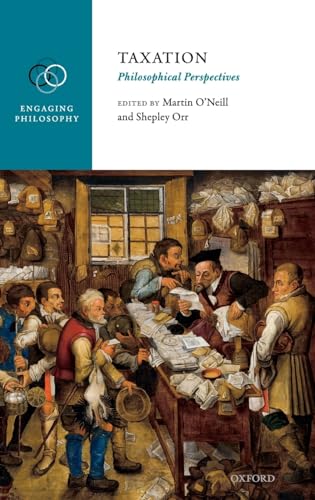
Understanding how we collectively fund our society and share the costs of our common life together may seem like dry policy territory, but it strikes at the very heart of what it means to live in a just and flourishing community. This exploration of fiscal policy and civic responsibility opens up profound questions about fairness, mutual obligation, and the kind of world we want to create for ourselves and future generations.
At its core, this work examines the philosophical foundations underlying how governments collect revenue and distribute public resources. Far from being merely technical, these questions touch on our deepest values about desert, merit, luck, and responsibility. When we consider who should contribute what to our shared institutions and infrastructure, we are really asking fundamental questions about human interdependence and social solidarity.
Readers embarking on this intellectual journey will discover how taxation intersects with nearly every aspect of personal and collective wellbeing. The systems we design to fund education, healthcare, environmental protection, and social safety nets reveal our priorities as a society. They demonstrate whether we believe we are isolated individuals responsible only for ourselves, or whether we recognize our profound interconnectedness and mutual dependence on shared institutions and collective goods.
One of the most empowering aspects of engaging with these ideas is recognizing how fiscal arrangements are not natural or inevitable but are instead human creations that reflect choices, values, and power relationships. Understanding the ethical arguments for different approaches to taxation liberates readers from passive acceptance of existing arrangements. Instead, you gain the conceptual tools to critically evaluate current policies and imagine alternatives that might better align with principles of justice and human flourishing.
The exploration delves into questions of economic justice that affect everyone's daily life, even if we rarely pause to examine them consciously. Why should some people accumulate vast fortunes while others struggle to meet basic needs? What obligations do the fortunate have to contribute to the welfare of others? How should we balance individual liberty with collective responsibility? These questions are not abstract philosophical puzzles but practical concerns that shape the opportunities available to each person and the quality of life in our communities.
Particularly valuable is the examination of how taxation relates to wealth inequality and opportunity. Understanding these connections empowers readers to see beyond personal circumstances and recognize structural patterns that advantage some while disadvantaging others. This broader perspective can transform how we think about success, failure, and personal responsibility. Rather than attributing all outcomes to individual effort alone, we begin to appreciate how background conditions, inherited advantages, and social arrangements profoundly shape life trajectories.
For those interested in social consciousness and transformation, grappling with these issues provides essential context for understanding many of the most pressing challenges of our time. Climate change, educational opportunity, healthcare access, infrastructure decay, and social cohesion all depend substantially on how we structure our collective financing. Citizens who understand the ethical dimensions of these arrangements are better equipped to participate meaningfully in democratic deliberation about our shared future.
The work also addresses how different philosophical traditions approach questions of distributive justice and civic obligation. From libertarian perspectives emphasizing property rights and limited government to more egalitarian views stressing fair equality of opportunity and social solidarity, readers gain exposure to the full spectrum of serious positions. This philosophical breadth enables more sophisticated thinking about complex tradeoffs between competing values.
Particularly empowering is the recognition that engaging thoughtfully with these questions is itself a form of civic virtue and personal development. Rather than remaining passive subjects of tax policy, readers can become informed citizens capable of meaningful participation in shaping the economic structures that govern our lives together. This transformation from passive recipient to active participant in collective self-governance represents genuine personal empowerment with profound implications for both individual wellbeing and social progress.
Ultimately, wrestling with questions of taxation and fiscal justice is an invitation to think more deeply about human interdependence, social responsibility, and the possibilities for creating a more just and flourishing world. These reflections connect directly to questions of meaning, purpose, and how we can contribute to something larger than ourselves.