
Happiness & Success
Achieving Happiness Through Acceptance of Life
The quest for happiness often leads to frustration, as many fail to realize that the...









Movements that change the world don't succeed simply because they're right. History shows us countless examples of well-intentioned causes with overwhelming moral authority that nonetheless failed to achieve their goals. Meanwhile, against all odds, some grassroots campaigns manage to defeat powerful opponents with vastly superior resources, political connections, and institutional support. Understanding how this happens reveals profound lessons about personal agency, collective action, and the often-overlooked sources of power available to ordinary people.
At the heart of successful social change lies a paradox: the weak sometimes defeat the strong not despite their limitations, but by transforming those very constraints into advantages. Through an intimate examination of the United Farm Workers' organizing campaigns in California during the 1960s and 1970s, readers discover a detailed roadmap for how motivated individuals can create extraordinary outcomes even when facing seemingly insurmountable opposition. These aren't abstract theories but practical strategies tested in the crucible of real-world conflict against wealthy agricultural interests, hostile politicians, and entrenched social systems.
The key insight centers on strategic capacity—the ability to turn resources into power through creativity, learning, and purposeful action. While well-funded organizations often rely on bureaucratic routines, money, and established procedures, successful grassroots movements develop something more valuable: the ability to adapt, innovate, and motivate. Readers learn how leadership development, narrative storytelling, and democratic structure become force multipliers that allow committed groups to punch far above their weight class.
Read more ▼
Raven Digitalis
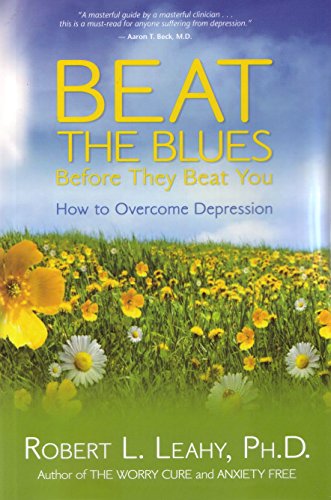
Beat The Blues Before They Beat You
Robert L. Leahy

Robert Kanigel

Elizabeth Jenkins
The quest for happiness often leads to frustration, as many fail to realize that the...

Reaching sixty can evoke complex emotions, blending relief with ongoing ambition. This...

The quest for life's purpose often leads to unsatisfactory answers. This article...

Romantic love is a complex emotion shaped by historical, cultural, and biological...

Imagine going through one of the most physically and emotionally demanding experiences...

Have you ever argued over something that wasn't actually said? From cultural differences...

Daily actions often conflict with personal beliefs due to past experiences. By utilizing...

Therapists often use dream interpretation to delve into patients' emotions, but true...