
Happiness & Success
Achieving Happiness Through Acceptance of Life
The quest for happiness often leads to frustration, as many fail to realize that the...








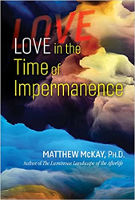
Everything we love will eventually change or disappear. Our partners age, relationships evolve, and even the most passionate connections face the inevitable reality of impermanence. Rather than viewing this truth as something to fear or deny, what if impermanence could become the very foundation for deeper, more authentic love?
Drawing on both Buddhist wisdom and contemporary psychology, this groundbreaking work explores how embracing the transient nature of all things can paradoxically lead to more meaningful and fulfilling relationships. The central premise challenges conventional approaches to love that rely on permanence, control, and the illusion of security. Instead, readers discover how accepting life's fundamental uncertainty can open the door to greater intimacy, compassion, and presence with those they cherish.
The exploration begins with an honest examination of how we typically respond to impermanence in relationships through denial, clinging, or emotional numbing. These defensive strategies, while understandable, ultimately create distance between partners and prevent genuine connection. By learning to sit with the discomfort of uncertainty rather than running from it, couples can develop a more mature and sustainable form of love.
Read more ▼
Children who remember previous lives
Ian Stevenson

A Mother Looks At The Gay Child
Jesse Davis

Bradshaw, John

Clifford E. Isaacson
The quest for happiness often leads to frustration, as many fail to realize that the...

Reaching sixty can evoke complex emotions, blending relief with ongoing ambition. This...

The quest for life's purpose often leads to unsatisfactory answers. This article...

Romantic love is a complex emotion shaped by historical, cultural, and biological...

Imagine going through one of the most physically and emotionally demanding experiences...

Daily actions often conflict with personal beliefs due to past experiences. By utilizing...

Have you ever argued over something that wasn't actually said? From cultural differences...

Therapists often use dream interpretation to delve into patients' emotions, but true...