
Happiness & Success
Achieving Happiness Through Acceptance of Life
The quest for happiness often leads to frustration, as many fail to realize that the...








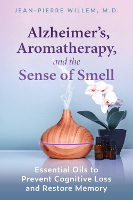
The profound connection between scent and memory has long been recognized, yet only recently have we begun to understand how this relationship might offer hope for those facing cognitive decline. Deep within the brain, the olfactory system maintains a unique and direct pathway to the limbic system, the seat of emotion and memory. This neurological pathway remains remarkably resilient even as other cognitive functions deteriorate, opening a window of therapeutic possibility that has been largely overlooked by conventional medicine.
Aromatherapy emerges not merely as a pleasant complementary practice but as a scientifically grounded approach to supporting brain health and slowing the progression of neurodegenerative conditions. Essential oils contain complex molecular compounds that can cross the blood-brain barrier, offering direct biochemical benefits to neural tissue. When inhaled, these aromatic molecules travel through the nasal passages, stimulating olfactory receptors that send immediate signals to the brain's memory centers, potentially awakening dormant neural pathways and stimulating cognitive function.
Readers will discover a comprehensive exploration of how specific essential oils can be strategically employed to address the multifaceted challenges of Alzheimer's disease and other forms of dementia. The text delves into the scientific mechanisms behind aromatherapy's effectiveness, explaining how compounds found in rosemary can enhance memory retention, how lavender can reduce the anxiety and agitation common in dementia patients, and how peppermint can improve alertness and mental clarity. Each essential oil is examined for its unique chemical composition and therapeutic properties, with practical guidance on selection, quality assessment, and application methods.
Read more ▼
Lisa Weinert, Suleika Jaouad
An Introduction To Coping With Sleeping Problems
Colin A. Espie

Soul Healing with Our Animal Companions
Tammy Billups

Hoffmann, David
The quest for happiness often leads to frustration, as many fail to realize that the...

Reaching sixty can evoke complex emotions, blending relief with ongoing ambition. This...

The quest for life's purpose often leads to unsatisfactory answers. This article...

Romantic love is a complex emotion shaped by historical, cultural, and biological...

Imagine going through one of the most physically and emotionally demanding experiences...

Daily actions often conflict with personal beliefs due to past experiences. By utilizing...

Have you ever argued over something that wasn't actually said? From cultural differences...

Therapists often use dream interpretation to delve into patients' emotions, but true...