
Happiness & Success
Achieving Happiness Through Acceptance of Life
The quest for happiness often leads to frustration, as many fail to realize that the...








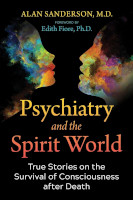
For centuries, mainstream psychiatry has focused exclusively on biological and psychological explanations for mental and emotional distress, often overlooking a dimension that many cultures have long recognized as fundamental to human experience. A groundbreaking exploration now bridges the gap between conventional psychiatric practice and spiritual reality, offering mental health professionals and seekers alike a expanded framework for understanding conditions that have puzzled practitioners for generations.
Drawing on decades of clinical experience treating patients with conditions resistant to traditional therapeutic approaches, this work presents compelling evidence that some psychiatric symptoms may have roots in spiritual phenomena rather than purely biological or psychological causes. Through detailed case studies and practical protocols, readers discover how entities from the spirit world can attach themselves to living individuals, influencing thoughts, emotions, behaviors, and even physical sensations in ways that mirror conventional psychiatric diagnoses.
The presentation carefully documents how conditions typically labeled as depression, anxiety, phobias, addictions, and personality disorders sometimes respond dramatically when treated as spirit attachment rather than as purely psychological problems. Patients who spent years in conventional therapy with limited results often experience rapid relief when the spiritual dimension is addressed. These aren't abstract theories but concrete clinical observations from therapeutic practice spanning multiple decades and thousands of patient encounters.
Read more ▼
Franklin E. Zimring, Gordon Hawkins

Viktor E. Frankl
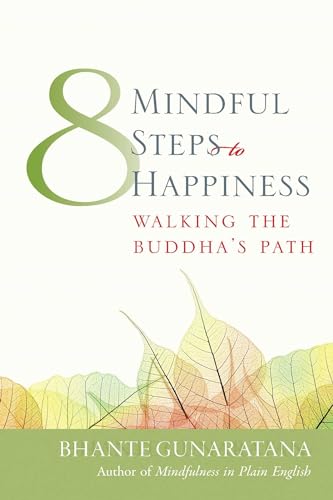
Eight mindful steps to happiness
Henepola Gunaratana

Move your stuff, change your life
Karen Rauch Carter
The quest for happiness often leads to frustration, as many fail to realize that the...

Reaching sixty can evoke complex emotions, blending relief with ongoing ambition. This...

The quest for life's purpose often leads to unsatisfactory answers. This article...

Romantic love is a complex emotion shaped by historical, cultural, and biological...

Imagine going through one of the most physically and emotionally demanding experiences...

Daily actions often conflict with personal beliefs due to past experiences. By utilizing...

Have you ever argued over something that wasn't actually said? From cultural differences...

Therapists often use dream interpretation to delve into patients' emotions, but true...