
Happiness & Success
Achieving Happiness Through Acceptance of Life
The quest for happiness often leads to frustration, as many fail to realize that the...








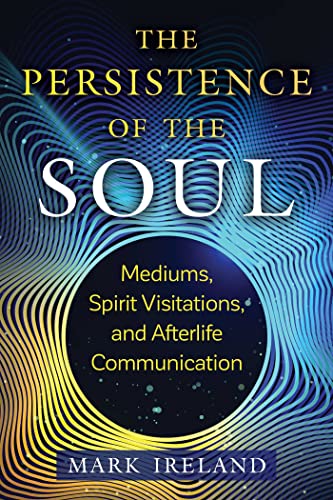
The question of what happens after we die has captivated humanity throughout history, and contemporary research into consciousness and survival of death is revealing compelling evidence that our awareness may indeed continue beyond physical existence. Drawing from decades of rigorous investigation into afterlife communication, near-death experiences, and reincarnation research, this groundbreaking work presents a comprehensive examination of the evidence suggesting that consciousness persists after bodily death.
At the heart of this exploration lies a deeply personal journey intertwined with scientific inquiry. The investigation began with extraordinary experiences of communication from a deceased family member, experiences so detailed and evidential that they demanded serious consideration and sparked a quest to understand the larger implications. What unfolds is a masterful blend of personal narrative and scholarly research that bridges the gap between heartfelt spiritual experience and empirical investigation.
Readers will discover an extensive survey of the most credible and well-documented cases of afterlife evidence from around the world. The material presented includes detailed accounts of mediumship readings that provided information the medium could not have known through normal means, near-death experiences that challenge our understanding of consciousness and its relationship to the brain, and cases of young children who recall specific details of previous lives with remarkable accuracy. Each category of evidence is examined with a critical eye, addressing skeptical explanations while highlighting cases that defy conventional understanding.
Read more ▼
Working with your guides and angels
White, Ruth

A 2nd helping of chicken soup for the soul
Jack Canfield, Mark Victor Hansen
Barbara Hand Clow
Marianne Williamson
The quest for happiness often leads to frustration, as many fail to realize that the...

Reaching sixty can evoke complex emotions, blending relief with ongoing ambition. This...

The quest for life's purpose often leads to unsatisfactory answers. This article...

Romantic love is a complex emotion shaped by historical, cultural, and biological...

Imagine going through one of the most physically and emotionally demanding experiences...

Daily actions often conflict with personal beliefs due to past experiences. By utilizing...

Have you ever argued over something that wasn't actually said? From cultural differences...

Therapists often use dream interpretation to delve into patients' emotions, but true...