
Happiness & Success
Achieving Happiness Through Acceptance of Life
The quest for happiness often leads to frustration, as many fail to realize that the...








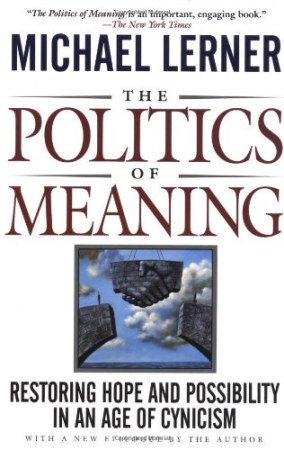
At the heart of our contemporary political crisis lies a deeper spiritual malaise that transcends traditional left-right divisions. Americans across the political spectrum share a profound hunger for meaning, purpose, and genuine human connection that our current political discourse utterly fails to address. While politicians debate economic policies and social programs, millions of citizens feel an aching emptiness in their lives, a sense that something fundamental is missing from our collective existence. This disconnect between our deepest human needs and the superficial materialism of modern politics represents both our greatest challenge and our most promising opportunity for transformation.
The fundamental argument presented here challenges both progressive and conservative worldviews by insisting that politics must attend to the spiritual and psychological dimensions of human experience. Neither free-market capitalism nor government programs alone can address the crisis of meaning that pervades contemporary society. People don't just need jobs and healthcare; they need work that feels meaningful, communities that nurture their souls, and a society that recognizes their fundamental worth as human beings rather than merely as producers and consumers.
This vision calls for a Politics of Meaning that would reshape our institutions to support loving relationships, ethical behavior, and spiritual fulfillment. Such a politics would evaluate economic arrangements not simply by GDP growth but by whether they strengthen families, build genuine community, and allow people to contribute to something larger than themselves. It would recognize that the marketplace, left to its own devices, systematically undermines the very values of caring, compassion, and solidarity that make life worth living.
Read more ▼
Michael Lerner
Karin Wahl-Jorgensen

Anam Thubten

Sue Van Raes
The quest for happiness often leads to frustration, as many fail to realize that the...

Reaching sixty can evoke complex emotions, blending relief with ongoing ambition. This...

The quest for life's purpose often leads to unsatisfactory answers. This article...

Romantic love is a complex emotion shaped by historical, cultural, and biological...

Imagine going through one of the most physically and emotionally demanding experiences...

Daily actions often conflict with personal beliefs due to past experiences. By utilizing...

Have you ever argued over something that wasn't actually said? From cultural differences...

Therapists often use dream interpretation to delve into patients' emotions, but true...