
Happiness & Success
Achieving Happiness Through Acceptance of Life
The quest for happiness often leads to frustration, as many fail to realize that the...








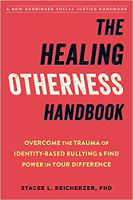
For anyone who has ever felt like they don't quite fit in, who has experienced the ache of being different, or who has struggled with identity in a world that demands conformity, this transformative guide offers a profound pathway toward healing and wholeness. Drawing from both clinical expertise and deeply personal experience, this work addresses the unique psychological wounds that arise from being marginalized, othered, or made to feel fundamentally different from mainstream society.
At the heart of this exploration lies a powerful truth: the experience of otherness creates specific patterns of trauma that traditional therapeutic approaches often overlook. Whether that otherness stems from gender identity, sexual orientation, race, ethnicity, disability, neurodivergence, or any other aspect of identity that places someone outside dominant cultural norms, the psychological impact follows recognizable patterns. These patterns include shame, hypervigilance, dissociation, and a fragmented sense of self that develops as a survival mechanism in environments that feel unsafe or invalidating.
The framework presented here introduces readers to the concept of minority stress and its cumulative effects on mental health and wellbeing. Unlike single traumatic events, the stress of otherness operates as a persistent undercurrent, shaping how individuals move through the world, form relationships, and understand their own worth. This chronic stress doesn't just affect the mind—it becomes encoded in the body, creating patterns of tension, disconnection, and protective numbness that can persist long after immediate threats have passed.
Read more ▼
Sandra Ingerman

Alexandra Wenman

Prescription for nutritional healing
James F. Balch, Phyllis A. Balch, Stacey J. Bell

Joshua Foer
The quest for happiness often leads to frustration, as many fail to realize that the...

Reaching sixty can evoke complex emotions, blending relief with ongoing ambition. This...

The quest for life's purpose often leads to unsatisfactory answers. This article...

Romantic love is a complex emotion shaped by historical, cultural, and biological...

Imagine going through one of the most physically and emotionally demanding experiences...

Have you ever argued over something that wasn't actually said? From cultural differences...

Daily actions often conflict with personal beliefs due to past experiences. By utilizing...

Therapists often use dream interpretation to delve into patients' emotions, but true...