


Happiness & Success
Achieving Happiness Through Acceptance of Life
The quest for happiness often leads to frustration, as many fail to realize that the...








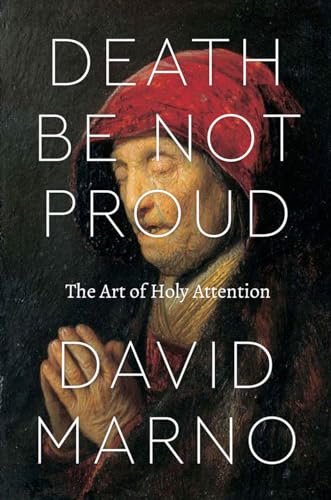
Throughout human history, our relationship with mortality has shaped how we live, love, and find meaning in our existence. This profound scholarly work examines how Renaissance thinkers and writers fundamentally transformed Western attitudes toward death, creating new possibilities for personal empowerment in the face of our ultimate limitation.
At the heart of this exploration lies a fascinating paradox: just as Europeans were experiencing unprecedented mortality through plague, war, and social upheaval, poets and philosophers began developing radical new strategies for confronting and even transcending death's power over human consciousness. Rather than accepting traditional religious consolations passively, Renaissance minds actively cultivated practices of thought and feeling that allowed them to engage death on their own terms.
Drawing on English poetry, particularly the works of Shakespeare, Donne, and Milton, alongside philosophical texts spanning from classical antiquity through the early modern period, this investigation reveals how language itself became a tool for personal transformation. These writers didn't simply describe death; they created verbal and imaginative exercises designed to diminish death's terror and enhance life's value. Through careful reading of these texts, we discover practical wisdom about facing fear, accepting impermanence, and choosing how we relate to the inevitable.
Read more ▼
The quest for happiness often leads to frustration, as many fail to realize that the...

Reaching sixty can evoke complex emotions, blending relief with ongoing ambition. This...

The quest for life's purpose often leads to unsatisfactory answers. This article...

Romantic love is a complex emotion shaped by historical, cultural, and biological...

Imagine going through one of the most physically and emotionally demanding experiences...

Daily actions often conflict with personal beliefs due to past experiences. By utilizing...

Have you ever argued over something that wasn't actually said? From cultural differences...

Therapists often use dream interpretation to delve into patients' emotions, but true...