
Happiness & Success
Achieving Happiness Through Acceptance of Life
The quest for happiness often leads to frustration, as many fail to realize that the...








At the heart of human potential lies a profound capability that most of us never fully activate: the ability to fundamentally shift how we think, feel, and respond to life's challenges. This transformative guide reveals a revolutionary approach to personal empowerment that bridges cutting-edge neuroscience, ancient wisdom traditions, and practical psychology to help readers unlock their innate capacity for breakthrough thinking and radical life change.
The core premise challenges conventional self-help wisdom by demonstrating that lasting transformation isn't about positive thinking, willpower, or following rigid formulas. Instead, real change happens when we learn to literally rewire our brains and nervous systems, moving beyond habitual patterns that keep us stuck in limiting beliefs, reactive behaviors, and unfulfilling life circumstances. Drawing on insights from neurobiology, evolutionary psychology, and consciousness studies, the framework presented here offers a scientifically grounded yet deeply humanistic path to personal liberation.
Readers will discover how the human brain operates in two fundamentally different modes: one that relies on established patterns, automatic responses, and habitual thinking, and another that opens us to creativity, innovation, and transformative insight. Learning to consciously navigate between these two modes becomes the key to breaking free from conditioning and accessing our highest potential. The exploration goes deep into understanding why we get stuck repeating the same patterns despite our best intentions, and more importantly, how to interrupt these cycles at their neurological source.
Read more ▼
The Treasure Chest/Gift Edition With Gift Wrap
Brian Culhane

Patsy Clairmont
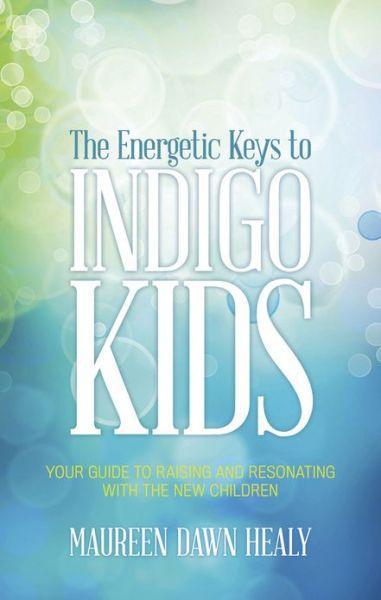
The Energetic Keys to Indigo Kids
Maureen Dawn Healy

Pamela D. Blair
The quest for happiness often leads to frustration, as many fail to realize that the...

Reaching sixty can evoke complex emotions, blending relief with ongoing ambition. This...

The quest for life's purpose often leads to unsatisfactory answers. This article...

Romantic love is a complex emotion shaped by historical, cultural, and biological...

Imagine going through one of the most physically and emotionally demanding experiences...

Have you ever argued over something that wasn't actually said? From cultural differences...

Daily actions often conflict with personal beliefs due to past experiences. By utilizing...

Therapists often use dream interpretation to delve into patients' emotions, but true...