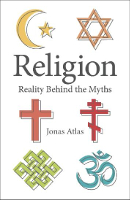
At the intersection of ancient wisdom and contemporary spiritual inquiry lies a profound exploration of humanity's most enduring questions about faith, meaning, and our place in the cosmos. This comprehensive examination challenges readers to look beyond the surface structures of organized belief systems and dive deep into the fundamental human impulses that give rise to religious experience across all cultures and throughout history.
Drawing from a vast tapestry of traditions including Christianity, Buddhism, Islam, Hinduism, Judaism, and indigenous spiritual practices, this work illuminates the common threads that unite seemingly disparate faiths while honoring the unique contributions each tradition offers to our collective understanding. Rather than advocating for any single path, the exploration reveals how different religious frameworks address universal human needs for connection, transcendence, ethical guidance, and community belonging.
Readers embark on a transformative journey that examines religion not merely as a set of doctrines or rituals, but as a living, breathing dimension of human consciousness. The investigation delves into the psychological, sociological, and spiritual functions that religious practice serves, helping individuals understand their own relationship to faith whether they consider themselves deeply religious, spiritual but not religious, or questioning seekers still searching for their path.
One of the most valuable aspects of this exploration is its unflinching examination of both the light and shadow sides of religious expression. The analysis acknowledges how faith traditions have inspired extraordinary acts of compassion, creativity, and social justice throughout history, while also confronting the ways religious institutions have sometimes perpetuated harm, division, and oppression. This balanced perspective empowers readers to engage with spirituality in a mature, discerning manner that embraces wisdom while maintaining critical awareness.
The discussion extends beyond theoretical understanding to offer practical insights for integrating spiritual principles into daily life. Readers discover how contemplative practices from various traditions can enhance mental clarity, emotional resilience, and a sense of purpose. The examination of prayer, meditation, ritual, and sacred community provides a toolkit for those seeking to deepen their spiritual practice regardless of their religious background or current beliefs.
Particularly relevant for our contemporary moment is the exploration of how religious and spiritual frameworks can address the existential challenges of modern life. In an age marked by technological disruption, social fragmentation, environmental crisis, and widespread anxiety about the future, the investigation demonstrates how timeless spiritual wisdom offers resources for navigating uncertainty, cultivating inner peace, and maintaining hope without denying difficult realities.
The work also addresses the growing phenomenon of religious pluralism and interfaith dialogue in our increasingly interconnected world. Readers gain understanding of how to honor their own spiritual commitments while remaining open to learning from other traditions. This perspective is essential for anyone seeking to bridge divides, build understanding across differences, and contribute to a more harmonious global community.
Throughout the exploration, attention is given to the mystical dimensions of religious experience that transcend intellectual understanding. The discussion of transcendent states, unitive consciousness, and direct spiritual experience validates the profound moments of awe, connection, and transformation that many people encounter but struggle to articulate within conventional frameworks.
For those questioning inherited beliefs or recovering from negative religious experiences, this work offers permission to deconstruct limiting interpretations while salvaging the genuine wisdom and beauty within traditions. The approach encourages personal sovereignty in spiritual matters, empowering readers to craft meaningful spiritual lives that align with their authentic values and experiences.
The investigation also examines religion's role in shaping moral frameworks and ethical behavior, exploring how spiritual principles can inform our responses to contemporary challenges including social justice, environmental stewardship, and compassionate relationship with all beings. This dimension makes the work valuable not just for personal spiritual development but for anyone seeking to live with greater integrity and contribute to collective wellbeing.
Ultimately, this comprehensive examination serves as both mirror and window, helping readers understand their own spiritual conditioning while opening vistas onto the vast landscape of human religious experience. The result is an invaluable resource for anyone committed to personal growth, expanded consciousness, and living with greater meaning and purpose in an often bewildering world.