
Happiness & Success
Achieving Happiness Through Acceptance of Life
The quest for happiness often leads to frustration, as many fail to realize that the...








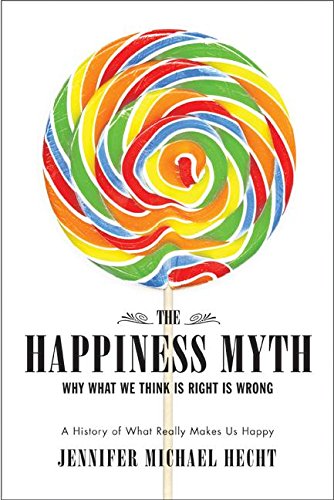
Throughout history, human beings have pursued happiness with an almost religious fervor, yet our understanding of what creates lasting contentment has been shaped more by cultural mythology than empirical wisdom. This illuminating exploration challenges nearly everything we think we know about achieving happiness, revealing how our modern assumptions about joy, fulfillment, and the good life often lead us astray.
Drawing from philosophy, history, psychology, and cultural studies, this work examines how different eras and societies have defined happiness in radically different ways. What the ancient Greeks considered essential to a happy life bears little resemblance to medieval notions of contentment, which in turn differ dramatically from our contemporary prescriptions for joy. By tracing these shifting definitions across time, readers gain a startling revelation: much of what we believe about happiness is culturally constructed rather than universally true.
One of the most provocative insights presented is that many of our modern happiness strategies are not only ineffective but potentially counterproductive. The relentless pursuit of positive thinking, the assumption that marriage and children automatically bring fulfillment, the belief that wealth beyond a certain threshold increases wellbeing, and the idea that we should always follow our passions are all examined and found wanting. These common assumptions, treated as gospel truth in countless self-help books, are revealed as historically recent inventions that may actually increase anxiety and dissatisfaction.
Read more ▼
Philip Evans, Frank Hucklebridge, Angela Clow, Hucklebridge Frank Evans Philip, Clow Angela
David D. Burns

Eric Maisel
Dan Millman
The quest for happiness often leads to frustration, as many fail to realize that the...

Reaching sixty can evoke complex emotions, blending relief with ongoing ambition. This...

The quest for life's purpose often leads to unsatisfactory answers. This article...

Romantic love is a complex emotion shaped by historical, cultural, and biological...

Imagine going through one of the most physically and emotionally demanding experiences...

Have you ever argued over something that wasn't actually said? From cultural differences...

Daily actions often conflict with personal beliefs due to past experiences. By utilizing...

Therapists often use dream interpretation to delve into patients' emotions, but true...