
Happiness & Success
Achieving Happiness Through Acceptance of Life
The quest for happiness often leads to frustration, as many fail to realize that the...








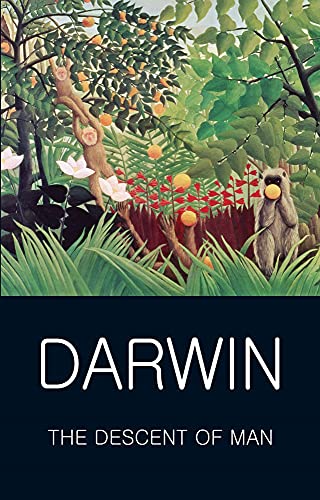
Understanding our origins as a species offers one of the most profound journeys of self-discovery available to modern readers. This groundbreaking work explores human evolution through the lens of natural and sexual selection, revealing not just where we came from, but illuminating the very forces that shaped our minds, bodies, and social behaviors. For anyone on a path of personal growth and deeper self-understanding, these insights provide an invaluable foundation for comprehending why we think, feel, and act as we do.
At its core, this volume examines the evidence for humanity's descent from earlier life forms, presenting a careful analysis of how natural processes sculpted our species over countless generations. Rather than diminishing our sense of self-worth, this understanding actually empowers us by revealing the remarkable journey our ancestors undertook and the incredible adaptability that lies within our genetic heritage. Every reader will encounter compelling arguments about the biological connections between humans and other animals, supported by observations drawn from anatomy, embryology, and behavior patterns across species.
What makes this exploration particularly relevant for those interested in personal transformation is its extensive treatment of human psychological and emotional capacities. The text delves deeply into the evolutionary origins of our moral sense, examining how cooperation, empathy, and social conscience emerged through natural processes. This perspective offers fresh insight into why we experience guilt, shame, pride, and the desire to help others. Understanding these impulses as products of our evolutionary heritage rather than arbitrary cultural impositions can be profoundly liberating, allowing us to work with our nature rather than against it.
Read more ▼
Introvert's Complete Career Guide
Jane Finkle

Jean-Jacques Rousseau

James Joseph, Daniel Nadeau, Anne Underwood
The quest for happiness often leads to frustration, as many fail to realize that the...

Reaching sixty can evoke complex emotions, blending relief with ongoing ambition. This...

The quest for life's purpose often leads to unsatisfactory answers. This article...

Romantic love is a complex emotion shaped by historical, cultural, and biological...

Imagine going through one of the most physically and emotionally demanding experiences...

Daily actions often conflict with personal beliefs due to past experiences. By utilizing...

Have you ever argued over something that wasn't actually said? From cultural differences...

Therapists often use dream interpretation to delve into patients' emotions, but true...