
Happiness & Success
Achieving Happiness Through Acceptance of Life
The quest for happiness often leads to frustration, as many fail to realize that the...








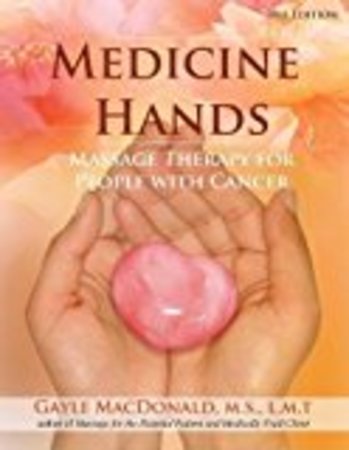
Massage therapy has long been recognized as a powerful healing modality for healthy individuals, but its profound benefits for those facing serious illness, chronic conditions, and end-of-life care remain an underexplored frontier in integrative healthcare. This comprehensive guide opens a window into the specialized world of therapeutic touch for medically fragile populations, offering both practitioners and caregivers essential knowledge about adapting massage techniques for people navigating cancer treatment, living with HIV/AIDS, managing chronic pain, recovering from surgery, or approaching the end of life.
At the heart of this work lies a fundamental understanding that healing touch can be safely and effectively modified to meet the unique needs of vulnerable patients. Rather than viewing serious illness as a contraindication for massage, readers discover how thoughtful adaptation transforms therapeutic touch into an invaluable complement to conventional medical treatment. The content addresses the fears and misconceptions that often prevent massage therapists from working with compromised clients, replacing anxiety with evidence-based protocols and confidence-building guidance.
Readers will gain practical knowledge about the physiological and emotional changes that accompany various medical conditions and how these changes inform treatment decisions. Detailed information about medications, side effects, treatment protocols, and disease progression empowers practitioners to create individualized sessions that honor each client's current capacity and medical status. The approach emphasizes communication with healthcare teams, respect for medical boundaries, and the importance of obtaining proper consent and clearance before beginning bodywork.
Read more ▼
Deborah Schoeberlein
Bryant Lusk
Anatomy of an Illness as Perceived by the Patient
Norman Cousins
Irvin D. Yalom
The quest for happiness often leads to frustration, as many fail to realize that the...

Reaching sixty can evoke complex emotions, blending relief with ongoing ambition. This...

The quest for life's purpose often leads to unsatisfactory answers. This article...

Romantic love is a complex emotion shaped by historical, cultural, and biological...

Imagine going through one of the most physically and emotionally demanding experiences...

Daily actions often conflict with personal beliefs due to past experiences. By utilizing...

Have you ever argued over something that wasn't actually said? From cultural differences...

Therapists often use dream interpretation to delve into patients' emotions, but true...