

Happiness & Success
Achieving Happiness Through Acceptance of Life
The quest for happiness often leads to frustration, as many fail to realize that the...








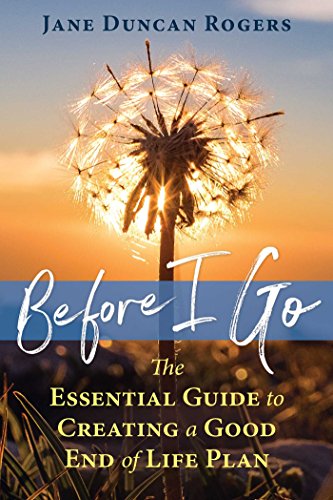
Death remains one of the great taboos in modern society, yet preparing for it consciously and intentionally can transform not only how we approach our final chapter but how we live every day leading up to it. This groundbreaking guide offers a comprehensive roadmap for creating a practical, emotional, and spiritual plan that honors your values, eases the burden on loved ones, and allows you to live more fully in the present.
Drawing from personal experience of losing a beloved partner and years of working with individuals facing end-of-life questions, this resource fills a critical gap in our cultural conversation. While we meticulously plan weddings, careers, and vacations, most people avoid contemplating their death until crisis forces the issue. This avoidance creates unnecessary suffering, confusion, and regret for both the dying and those left behind. By contrast, conscious preparation brings clarity, peace, and the opportunity to craft a legacy that truly reflects who you are.
The approach presented here is neither morbid nor depressing. Instead, it frames death preparation as an empowering act of self-care and love for others. Readers discover that facing mortality directly paradoxically enhances their appreciation for life. When you've considered what matters most, articulated your wishes, and organized practical affairs, a profound freedom emerges. The energy previously consumed by unconscious anxiety about death becomes available for living authentically and purposefully.
Read more ▼
The quest for happiness often leads to frustration, as many fail to realize that the...

Reaching sixty can evoke complex emotions, blending relief with ongoing ambition. This...

The quest for life's purpose often leads to unsatisfactory answers. This article...

Imagine going through one of the most physically and emotionally demanding experiences...

Romantic love is a complex emotion shaped by historical, cultural, and biological...

Daily actions often conflict with personal beliefs due to past experiences. By utilizing...

Have you ever argued over something that wasn't actually said? From cultural differences...

Therapists often use dream interpretation to delve into patients' emotions, but true...