
Happiness & Success
Achieving Happiness Through Acceptance of Life
The quest for happiness often leads to frustration, as many fail to realize that the...








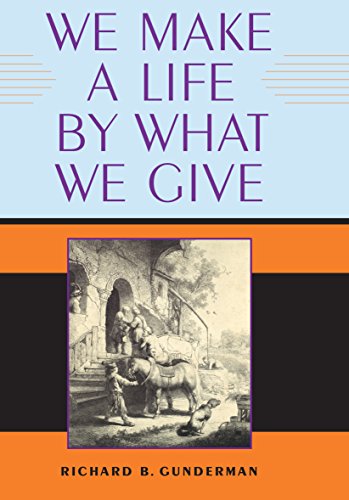
Generosity stands as one of humanity's most profound yet often overlooked pathways to meaning and fulfillment. At a time when consumerism and self-interest dominate cultural narratives, a compelling case emerges for why giving—not getting—represents the true foundation of a life well lived. Drawing from philosophy, literature, religious traditions, medicine, and contemporary scientific research, a powerful exploration unfolds regarding how acts of generosity transform not only communities but the very individuals who practice them.
The central premise challenges prevailing assumptions about success and happiness. Rather than accumulating wealth, status, or possessions, genuine fulfillment arises from what we contribute to others. This isn't mere sentiment or wishful thinking but a principle supported by evidence from multiple disciplines. Psychological studies reveal that generous people report higher levels of well-being and life satisfaction. Neurological research demonstrates that giving activates pleasure centers in the brain more powerfully than receiving. Even physiological health benefits emerge among those who regularly engage in altruistic behavior, including reduced stress levels and improved cardiovascular function.
Throughout these pages, readers encounter inspiring examples of generous living drawn from diverse contexts. Medical professionals who view their work as a calling rather than merely a career demonstrate how service enriches both practitioner and patient. Teachers who invest deeply in student success discover rewards far exceeding their modest salaries. Volunteers who dedicate time to community causes find connections and purpose that elude those focused solely on personal advancement. These real-world illustrations bring abstract principles into vivid, practical focus.
Read more ▼
Relax, You're Already Perfect: 10 Spiritual Lessons to Remember
Bruce D Schneider, Ph.D.

Athena Bahri
Capital in the Twenty-First Century
Thomas Piketty

Christopher Vasey
The quest for happiness often leads to frustration, as many fail to realize that the...

Reaching sixty can evoke complex emotions, blending relief with ongoing ambition. This...

The quest for life's purpose often leads to unsatisfactory answers. This article...

Imagine going through one of the most physically and emotionally demanding experiences...

Romantic love is a complex emotion shaped by historical, cultural, and biological...

Daily actions often conflict with personal beliefs due to past experiences. By utilizing...

Have you ever argued over something that wasn't actually said? From cultural differences...

Therapists often use dream interpretation to delve into patients' emotions, but true...