




Happiness & Success
Achieving Happiness Through Acceptance of Life
The quest for happiness often leads to frustration, as many fail to realize that the...








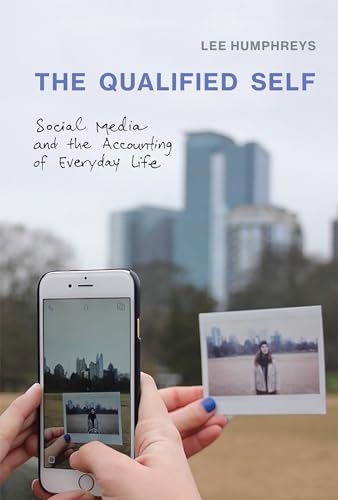
Social media has transformed how we document and share our lives, but the impulse to record our daily experiences is far from new. Long before Facebook status updates and Instagram stories, people kept diaries, scrapbooks, and photo albums. They collected ticket stubs, wrote letters describing their travels, and carefully preserved memories of everyday moments. Understanding this continuity between past and present practices offers profound insights into human nature and our fundamental need to make sense of who we are.
This exploration into media practices across centuries reveals how personal documentation serves as more than mere record-keeping. Through examining historical examples alongside contemporary digital behaviors, a fascinating pattern emerges: humans have always used available technologies to track, measure, and share quotidian experiences. Whether through Victorian-era diaries, early photography, or today's fitness trackers and social platforms, the underlying motivation remains remarkably consistent. We document our lives to understand ourselves, connect with others, and construct meaningful narratives about our existence.
The concept of the "qualified self" emerges as a framework for understanding these practices. Rather than viewing self-tracking and social sharing as narcissistic modern phenomena, this perspective recognizes them as deeply human endeavors to qualify and give meaning to lived experience. Every photograph shared, every meal logged, every location checked-in becomes a data point in an ongoing project of self-understanding and social connection. These small acts of documentation accumulate into something larger: a sense of identity, belonging, and temporal continuity.
Read more ▼
The quest for happiness often leads to frustration, as many fail to realize that the...

Reaching sixty can evoke complex emotions, blending relief with ongoing ambition. This...

The quest for life's purpose often leads to unsatisfactory answers. This article...

Romantic love is a complex emotion shaped by historical, cultural, and biological...

Imagine going through one of the most physically and emotionally demanding experiences...

Daily actions often conflict with personal beliefs due to past experiences. By utilizing...

Have you ever argued over something that wasn't actually said? From cultural differences...

Therapists often use dream interpretation to delve into patients' emotions, but true...