
Happiness & Success
Achieving Happiness Through Acceptance of Life
The quest for happiness often leads to frustration, as many fail to realize that the...








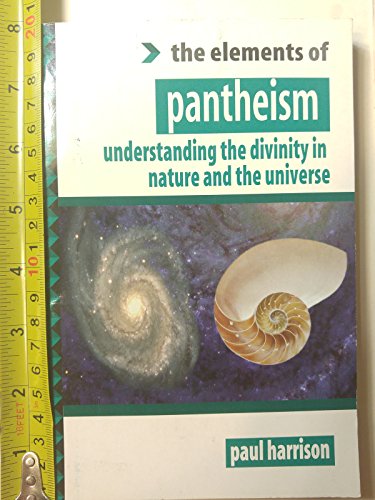
Imagine discovering a spiritual philosophy that honors the profound mystery of existence while remaining firmly rooted in the observable universe around us. Here lies an exploration of a worldview that sees divinity not as separate from nature, but as inseparable from it—a perspective that transforms how we understand ourselves, our place in the cosmos, and our responsibility to all living things.
This comprehensive guide introduces readers to a spiritual path that bridges the gap between science and reverence, reason and wonder. Rather than demanding belief in supernatural realms or distant deities, this philosophy invites us to recognize the sacred in every atom, every ecosystem, every moment of consciousness. The natural world itself becomes the focus of awe and devotion, revealing depths of meaning that rival any traditional religious framework.
Readers will discover how this perspective offers solutions to many of the existential challenges facing modern seekers. For those who have left traditional religions but still yearn for spiritual connection, this approach provides a coherent alternative that doesn't require abandoning critical thinking or scientific understanding. It demonstrates how we can cultivate genuine reverence and ethical commitment without relying on ancient texts or institutional authority.
Read more ▼
Ken Ausubel

Siddhartha Mukherjee

Amy Fish

Doreen Virtue
The quest for happiness often leads to frustration, as many fail to realize that the...

Reaching sixty can evoke complex emotions, blending relief with ongoing ambition. This...

The quest for life's purpose often leads to unsatisfactory answers. This article...

Imagine going through one of the most physically and emotionally demanding experiences...

Romantic love is a complex emotion shaped by historical, cultural, and biological...

Daily actions often conflict with personal beliefs due to past experiences. By utilizing...

Have you ever argued over something that wasn't actually said? From cultural differences...

Therapists often use dream interpretation to delve into patients' emotions, but true...