
Happiness & Success
Achieving Happiness Through Acceptance of Life
The quest for happiness often leads to frustration, as many fail to realize that the...








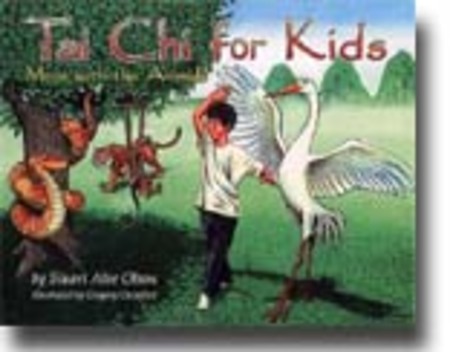
Young bodies and minds are naturally designed for movement, yet modern children increasingly face stress, anxiety, and physical tension that their growing systems weren't meant to handle. Ancient wisdom meets contemporary childhood challenges through a gentle yet powerful practice that has transformed lives for centuries. This accessible guide introduces the timeless art of Tai Chi specifically adapted for children, offering a pathway to greater physical health, emotional balance, and inner peace during the formative years of development.
Tai Chi, often described as "meditation in motion," provides children with tools they can carry throughout their entire lives. The practice involves slow, flowing movements coordinated with deep breathing and focused awareness. Rather than demanding competitive achievement or physical prowess, it invites practitioners into a space of self-discovery and gentle strengthening. For children navigating the pressures of school, social dynamics, and the overwhelming stimulation of modern technology, these ancient movements offer a sanctuary of calm and centeredness.
The approach taken here recognizes that children learn differently than adults. Complex philosophical concepts are translated into age-appropriate language and imagery that speaks to young imaginations. Movement sequences are broken down into manageable steps that build confidence while developing coordination and body awareness. The emphasis remains on making the practice enjoyable and accessible, ensuring that children experience Tai Chi as play rather than work, as discovery rather than discipline.
Read more ▼
Jeannine Wiest
William Buhlman

The complete book of essential oils and aromatherapy
Valerie Ann Worwood
Healing Feelings from Your Heart
Karol Kuhn Truman
The quest for happiness often leads to frustration, as many fail to realize that the...

Reaching sixty can evoke complex emotions, blending relief with ongoing ambition. This...

The quest for life's purpose often leads to unsatisfactory answers. This article...

Romantic love is a complex emotion shaped by historical, cultural, and biological...

Imagine going through one of the most physically and emotionally demanding experiences...

Daily actions often conflict with personal beliefs due to past experiences. By utilizing...

Have you ever argued over something that wasn't actually said? From cultural differences...

Therapists often use dream interpretation to delve into patients' emotions, but true...