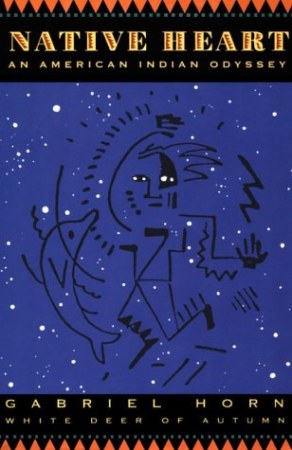



Within these pages lies a profound journey into indigenous wisdom and spiritual consciousness that challenges readers to reconsider their relationship with the natural world, their ancestors, and their own authentic identity. Drawing from Native American traditions and personal experience, this work offers a bridge between ancient teachings and contemporary struggles for meaning in an increasingly disconnected modern world.
At its core, this exploration addresses fundamental questions about identity, belonging, and what it means to live with integrity in alignment with ancestral values. Through deeply personal narratives interwoven with traditional stories and ceremonies, readers encounter a worldview that sees all life as interconnected and sacred. The teachings presented here are not abstract philosophical concepts but practical approaches to daily living that have sustained indigenous peoples through centuries of profound challenges.
One of the most compelling aspects of this spiritual memoir is its unflinching examination of cultural identity and the painful process of reclaiming heritage in a world that has systematically attempted to erase indigenous ways of knowing. For readers grappling with their own questions of identity, ancestry, or feeling disconnected from their roots, these reflections offer both validation and inspiration. The journey described demonstrates that reconnecting with ancestral wisdom is not merely an intellectual exercise but a transformative process that requires courage, humility, and commitment.
The exploration of ceremony and ritual throughout these pages reveals how indigenous spiritual practices create meaning, maintain balance, and foster deep connection with the natural world. Readers discover that ceremony is not simply performance or tradition for its own sake, but a vital technology for maintaining harmony between humans and the earth. These insights have profound implications for anyone seeking more intentional, mindful ways of moving through life, particularly in an era of environmental crisis and spiritual hunger.
Environmental consciousness emerges as a central theme, presenting an indigenous perspective that views nature not as a resource to be exploited but as a relative to be honored and protected. This worldview challenges the dominant paradigm of separation between humanity and nature, offering instead a vision of reciprocity and respect. For readers concerned about ecological destruction and climate change, this perspective provides not only philosophical grounding but also practical wisdom about living more sustainably and reverently on the earth.
The treatment of education and the transmission of wisdom between generations offers valuable insights for parents, teachers, and anyone involved in nurturing young people. Indigenous approaches to learning emphasize experiential knowledge, storytelling, and the development of character alongside intellectual growth. These alternative educational philosophies challenge conventional schooling methods and suggest pathways toward more holistic human development.
Throughout, there is an honest reckoning with the historical and ongoing trauma experienced by indigenous peoples, including cultural genocide, forced assimilation, and systemic oppression. Yet rather than dwelling in victimhood, the narrative demonstrates resilience, cultural survival, and the possibility of healing through reconnection with traditional ways. This balance of acknowledging pain while moving toward wholeness offers a model for personal and collective healing that extends far beyond indigenous communities.
Readers seeking personal empowerment will find numerous threads to follow: the courage to claim authentic identity despite social pressure to conform, the strength found in spiritual practice and connection to something greater than oneself, the power of story to shape consciousness and preserve wisdom, and the possibility of living with integrity according to deeply held values even when surrounding culture promotes different priorities.
The writing invites readers into moments of profound beauty and revelation, from ceremonies under starlit skies to teachings received from elders, from encounters with wild creatures to the quiet wisdom found in natural places. These experiences are shared not as exotic curiosities but as accessible doorways into deeper consciousness available to anyone willing to approach with respect and open hearts.
Ultimately, this work stands as both testimony and invitation—testimony to the enduring power of indigenous wisdom and invitation to all readers to examine their own relationship with the earth, their ancestors, and their deepest values. The teachings offered here transcend cultural boundaries while honoring their specific origins, suggesting that ancient wisdom has urgent relevance for contemporary challenges facing all of humanity.