



Happiness & Success
Achieving Happiness Through Acceptance of Life
The quest for happiness often leads to frustration, as many fail to realize that the...








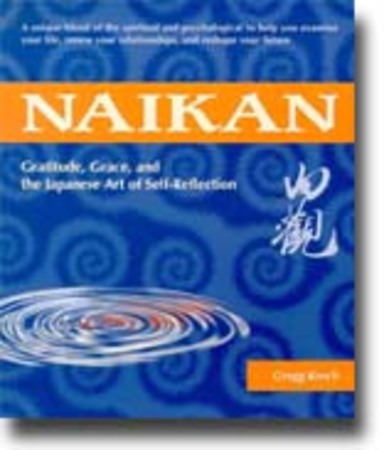
A profound Japanese practice for self-reflection and personal transformation comes to Western readers through an accessible and deeply practical exploration of one of the world's most powerful yet least known methods for cultivating gratitude, personal responsibility, and authentic relationships. This guide introduces a contemplative approach that has helped countless individuals break free from patterns of blame, resentment, and self-centered thinking that keep them stuck in cycles of dissatisfaction and damaged relationships.
At its heart lies a deceptively simple framework built around three essential questions: What have I received from others? What have I given to others? What troubles and difficulties have I caused others? These questions form the foundation of a practice that systematically redirects attention away from grievances and perceived injustices toward a more balanced and truthful assessment of our relationships and our place in the intricate web of mutual support that sustains human life.
The practice emerged from Japanese culture but speaks to universal human experiences. It offers a structured method for examining specific relationships and time periods in life, moving chronologically through memories while applying the three questions as a lens for investigation. This is not abstract philosophizing or positive thinking. Instead, it demands concrete recollection of actual events, specific kindnesses received, tangible support provided by others, and honest acknowledgment of the ways our actions have created burden or pain for those around us.
Read more ▼
The quest for happiness often leads to frustration, as many fail to realize that the...

Reaching sixty can evoke complex emotions, blending relief with ongoing ambition. This...

The quest for life's purpose often leads to unsatisfactory answers. This article...

Romantic love is a complex emotion shaped by historical, cultural, and biological...

Imagine going through one of the most physically and emotionally demanding experiences...

Have you ever argued over something that wasn't actually said? From cultural differences...

Daily actions often conflict with personal beliefs due to past experiences. By utilizing...

Therapists often use dream interpretation to delve into patients' emotions, but true...