

Happiness & Success
Achieving Happiness Through Acceptance of Life
The quest for happiness often leads to frustration, as many fail to realize that the...








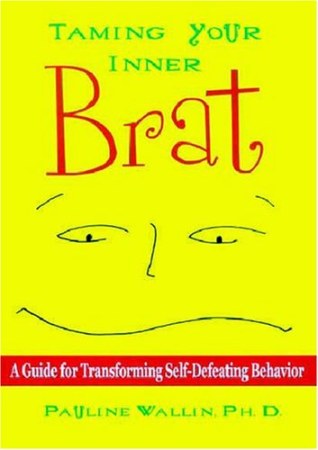
We all have that voice inside us—the one that whines when things don't go our way, throws tantrums when we're frustrated, pouts when we feel slighted, or stubbornly refuses to do what we know is best for us. This inner voice represents our most childish, self-centered impulses, and left unchecked, it can sabotage our relationships, careers, health, and overall happiness. Understanding and managing these immature reactions isn't about suppressing our feelings or becoming emotionless robots. Instead, it's about recognizing when we're operating from our most reactive, primitive self and learning to respond with greater wisdom and maturity.
The concept of the "inner brat" describes that part of our psyche that never quite grew up—the aspect of ourselves that demands instant gratification, refuses to accept responsibility, blames others for our problems, and expects the world to revolve around our needs and wants. This bratty behavior shows up in countless ways throughout our daily lives. Perhaps you find yourself procrastinating on important tasks because you simply don't feel like doing them. Maybe you react with disproportionate anger when someone cuts you off in traffic. You might engage in emotional eating, overspending, or other self-defeating behaviors because you feel entitled to immediate comfort or pleasure. Or you could be sabotaging your relationships by keeping score, holding grudges, or expecting others to read your mind and meet your unspoken needs.
What makes these patterns so persistent is that they're often unconscious. We don't wake up in the morning planning to be immature or self-sabotaging. These reactions happen automatically, rooted in deeply ingrained habits and beliefs formed early in life. Bratty behavior often develops as a coping mechanism during childhood, when we had limited power and needed to find ways to get our needs met. The problem is that these same strategies that may have worked when we were five or ten years old become destructive when we carry them into adulthood.
Read more ▼
Peter O. Erbe

Master Charles Cannon

Sharon Salzberg
The quest for happiness often leads to frustration, as many fail to realize that the...

Reaching sixty can evoke complex emotions, blending relief with ongoing ambition. This...

The quest for life's purpose often leads to unsatisfactory answers. This article...

Romantic love is a complex emotion shaped by historical, cultural, and biological...

Imagine going through one of the most physically and emotionally demanding experiences...

Have you ever argued over something that wasn't actually said? From cultural differences...

Daily actions often conflict with personal beliefs due to past experiences. By utilizing...

Therapists often use dream interpretation to delve into patients' emotions, but true...