

Happiness & Success
Achieving Happiness Through Acceptance of Life
The quest for happiness often leads to frustration, as many fail to realize that the...









Beyond the popular images of high-flying kicks and board-breaking demonstrations lies a profound philosophy that has guided warriors and seekers for centuries. The martial arts represent far more than physical combat techniques—they embody a comprehensive approach to living with integrity, discipline, and purpose. This exploration delves deep into the philosophical foundations of martial practice, revealing how ancient warrior traditions offer relevant wisdom for navigating the challenges of modern life.
At the heart of martial tradition lies a set of virtues that transcend culture and time period. Concepts such as righteousness, courage, benevolence, respect, honesty, honor, and loyalty form the moral framework that distinguishes a true martial artist from someone who merely knows how to fight. These aren't abstract ideals meant for meditation alone; they represent practical guidelines for daily conduct that can transform how we interact with others and ourselves. Through detailed examination of each virtue, readers discover actionable principles that can be applied immediately to relationships, career challenges, and personal development.
The connection between physical training and spiritual growth receives careful attention throughout. The rigorous discipline required in martial practice—the endless repetitions, the pushing through discomfort, the humbling experience of being a beginner—serves as a forge for character development. Physical training becomes a laboratory for testing ourselves, discovering our limits, and choosing to persist despite difficulty. This process builds resilience that extends far beyond the training hall into every area of life. The body becomes a vehicle for understanding deeper truths about commitment, patience, and gradual transformation.
Read more ▼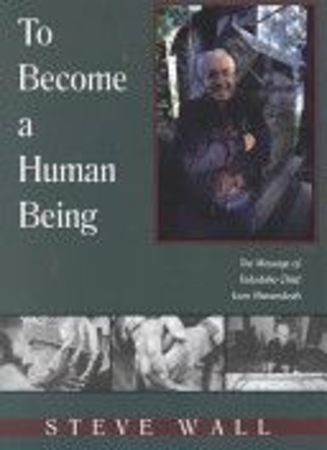
Leon Shenandoah, Steve Wall
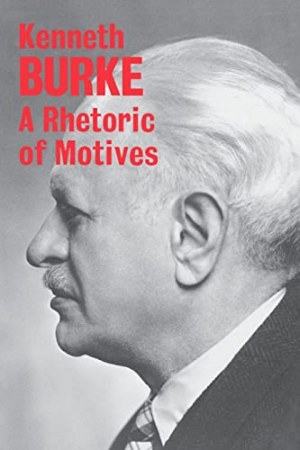
Kenneth Burke

Christopher S. Hyatt, Lon Milo Duquette, Diana Rose Hartmann, Gary Ford
The quest for happiness often leads to frustration, as many fail to realize that the...

Reaching sixty can evoke complex emotions, blending relief with ongoing ambition. This...

The quest for life's purpose often leads to unsatisfactory answers. This article...

Imagine going through one of the most physically and emotionally demanding experiences...

Romantic love is a complex emotion shaped by historical, cultural, and biological...

Daily actions often conflict with personal beliefs due to past experiences. By utilizing...

Have you ever argued over something that wasn't actually said? From cultural differences...

Therapists often use dream interpretation to delve into patients' emotions, but true...