
Happiness & Success
Achieving Happiness Through Acceptance of Life
The quest for happiness often leads to frustration, as many fail to realize that the...








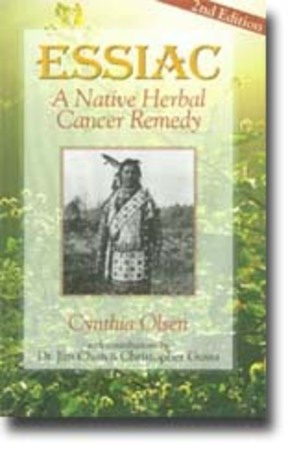
For centuries, indigenous peoples of North America possessed profound knowledge about the healing properties of native plants, knowledge that was carefully guarded and passed down through generations. Among these treasured remedies was a herbal formula that would eventually capture the attention of the modern world, sparking both passionate advocacy and intense controversy in equal measure. This comprehensive exploration delves into one of alternative medicine's most intriguing and debated herbal formulas, offering readers a thorough examination of its history, components, purported benefits, and the remarkable story of how ancient wisdom found its way into contemporary healing practices.
The journey begins with the fascinating historical narrative of how this traditional remedy came to wider public attention. Readers discover the compelling account of a Canadian nurse who, in the 1920s, learned of this special formula from one of her patients. The story unfolds with meticulous attention to detail, revealing how dedication, compassion, and a deep belief in natural healing methods led to decades of quiet practice helping those who sought alternatives to conventional medical treatments. This historical foundation provides essential context for understanding why this remedy has generated such enduring interest and passionate following.
At the heart of the exploration lies a detailed examination of the four primary herbs that comprise the formula: burdock root, slippery elm inner bark, sheep sorrel, and Turkish rhubarb root. Readers gain valuable insight into each botanical component, learning about their individual properties, traditional uses across various cultures, and how they may work synergistically when combined. This botanical education empowers readers to understand not just what they might be consuming, but why these particular plants were chosen and valued by indigenous healers. The scientific and traditional knowledge presented creates a bridge between ancient wisdom and modern understanding.
Read more ▼
James Fadiman, Jordan Gruber

Gareth Patterson

Frank DeMarco
老子
The quest for happiness often leads to frustration, as many fail to realize that the...

Reaching sixty can evoke complex emotions, blending relief with ongoing ambition. This...

The quest for life's purpose often leads to unsatisfactory answers. This article...

Romantic love is a complex emotion shaped by historical, cultural, and biological...

Imagine going through one of the most physically and emotionally demanding experiences...

Have you ever argued over something that wasn't actually said? From cultural differences...

Daily actions often conflict with personal beliefs due to past experiences. By utilizing...

Therapists often use dream interpretation to delve into patients' emotions, but true...