
Happiness & Success
Achieving Happiness Through Acceptance of Life
The quest for happiness often leads to frustration, as many fail to realize that the...









Deep within the margins of society, where human dignity wrestles daily with grinding poverty and social invisibility, lies a profound theater of the human spirit that speaks directly to questions of personal empowerment and authentic existence. This collection of dramatic works brings readers face to face with individuals who society has deemed expendable, yet whose struggles illuminate timeless questions about human worth, agency, and the possibility of transformation in seemingly impossible circumstances.
The plays contained within explore the lives of those dwelling at the absolute bottom of the social hierarchy in early twentieth-century Russia, people residing in flophouses, struggling through each day without resources, status, or conventional hope. Yet rather than presenting mere victims, these dramatic works reveal complex human beings grappling with philosophical questions that resonate across all social strata. Through their conversations, conflicts, and moments of unexpected beauty, readers encounter profound meditations on truth versus illusion, the nature of consolation, and whether compassion sometimes requires comfortable lies or always demands brutal honesty.
Central to the experience these plays offer is an unflinching examination of how human beings maintain dignity and meaning when stripped of everything society typically uses to measure worth. The characters debate whether it is kinder to nurture impossible dreams or to face harsh reality directly. They wrestle with questions of redemption, asking whether transformation is possible for those society has written off, and whether past mistakes permanently define a person's value. These are not abstract philosophical exercises but lived questions emerging from characters whose circumstances make them urgent and real.
Read more ▼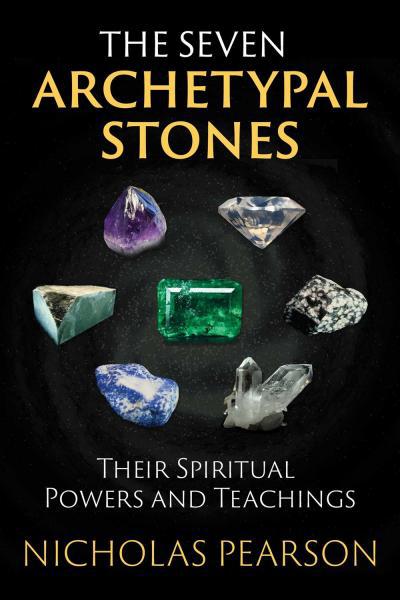
Nicholas Pearson

Frank J. Kinslow

Joseph M. Felser

Electrolytes (trace minerals), the spark of life
Gillian Martlew
The quest for happiness often leads to frustration, as many fail to realize that the...

Reaching sixty can evoke complex emotions, blending relief with ongoing ambition. This...

The quest for life's purpose often leads to unsatisfactory answers. This article...

Imagine going through one of the most physically and emotionally demanding experiences...

Romantic love is a complex emotion shaped by historical, cultural, and biological...

Daily actions often conflict with personal beliefs due to past experiences. By utilizing...

Have you ever argued over something that wasn't actually said? From cultural differences...

Therapists often use dream interpretation to delve into patients' emotions, but true...