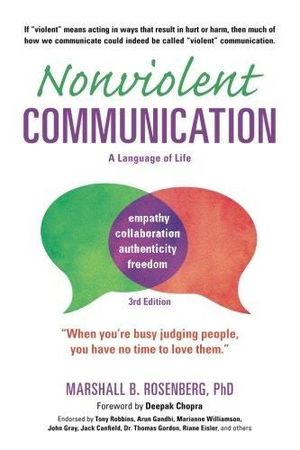




Imagine transforming every conversation you have into an opportunity for genuine connection, mutual understanding, and compassion. This comprehensive guide introduces a revolutionary approach to communication that has helped millions of people worldwide create more authentic relationships, resolve conflicts peacefully, and express themselves with clarity and empathy.
At the heart of this transformative methodology lies a simple yet profound recognition: the way we communicate either builds bridges or erects walls between ourselves and others. Most of us have learned patterns of speaking and listening that inadvertently create disconnection, judgment, and misunderstanding. We've been conditioned to analyze, criticize, diagnose, and moralize when interacting with others, often without realizing how these habits damage the very relationships we cherish most.
This work presents a four-step process that fundamentally changes how we give and receive information. Rather than falling into habitual patterns of blame, criticism, or demands, readers discover how to observe situations without evaluation, identify and express feelings authentically, connect those feelings to underlying needs, and make clear requests that respect both their own humanity and that of others. This framework isn't merely theoretical; it's a practical, applicable system that can be implemented immediately in every area of life.
Throughout these pages, readers explore the crucial distinction between feelings and thoughts, learning to identify the emotional truth beneath their reactions. This awareness alone creates profound shifts in self-understanding and emotional intelligence. The exploration goes deeper still, revealing how all human beings share the same fundamental needs for autonomy, celebration, integrity, interdependence, physical nurturance, play, and spiritual connection. When we learn to recognize and articulate these needs rather than fixating on specific strategies for meeting them, entirely new possibilities for connection and resolution emerge.
The practical applications extend far beyond romantic partnerships. While the material certainly offers invaluable tools for couples seeking deeper intimacy and more effective conflict resolution, the principles apply equally to parent-child relationships, workplace dynamics, friendships, and even our relationship with ourselves. Readers discover how to navigate difficult conversations with grace, express anger in constructive ways, hear the needs behind criticism and blame, and respond to others with empathy even in challenging circumstances.
One of the most powerful aspects of this approach is its emphasis on self-empathy and self-connection. Before we can truly connect with others, we must learn to treat ourselves with the same compassion and understanding we hope to extend outward. The material guides readers through processes for healing shame, transforming self-judgment, and developing a more accepting, nurturing inner dialogue. This internal work creates the foundation for all external transformation.
Real-world examples and dialogues throughout the text illustrate how these principles work in practice. Readers witness conversations transformed from cycles of attack and defense into opportunities for mutual understanding. They see how conflicts that seemed intractable can shift when participants focus on needs rather than positions. These examples span diverse contexts, from intimate partners navigating hurt feelings to communities addressing social justice issues to individuals processing their own internal conflicts.
The methodology presented here has been successfully applied in diverse settings worldwide, from conflict zones seeking peace to schools implementing alternatives to punishment to corporations building collaborative cultures. This widespread adoption testifies to the universal human hunger for more authentic, compassionate ways of relating. The approach doesn't require others to participate for it to be effective; even when practicing these principles unilaterally, individuals report dramatic improvements in their relationships and personal well-being.
For readers committed to personal growth and conscious living, this framework offers a clear path toward alignment between values and actions. It provides concrete skills for embodying the compassion, presence, and authenticity that many spiritual traditions point toward but don't always translate into everyday behavior. The result is not just better relationships but a fundamentally different way of being in the world, one characterized by connection, understanding, and genuine care for all beings.
Read more ▼