
Happiness & Success
Achieving Happiness Through Acceptance of Life
The quest for happiness often leads to frustration, as many fail to realize that the...









The digital revolution has fundamentally transformed how we create, share, and derive value from information and knowledge. This groundbreaking examination reveals how networked communication technology is reshaping not just our economy, but our capacity for individual autonomy, democratic participation, and social connection. For anyone seeking to understand how to thrive in an increasingly connected world, this work offers profound insights into the emerging landscape where traditional hierarchies of production and distribution are giving way to collaborative, peer-driven models of creation.
At the heart of this exploration lies a compelling vision: we are witnessing the rise of what is termed "social production" or "commons-based peer production." Unlike the industrial economy's reliance on markets and managerial hierarchies, this new model demonstrates that motivated individuals can create extraordinary value through voluntary cooperation and shared effort. Wikipedia, open-source software, and countless online communities serve as living proof that human beings can organize themselves to produce complex goods and services without traditional monetary incentives or corporate structures directing their activities.
The implications for personal empowerment are staggering. Where once individuals needed significant capital, institutional backing, or permission from gatekeepers to participate meaningfully in cultural, political, or economic production, networked technologies now provide unprecedented freedom. Anyone with a computer and internet connection can publish ideas, create software, contribute to scientific research, produce media, or organize social movements. This democratization of productive capacity represents a fundamental shift in human agency, offering pathways to self-actualization and meaningful contribution that were previously unavailable to most people.
Read more ▼
Judith Powell Wallace D. Wattles

Jose Stevens, Lena Stevens
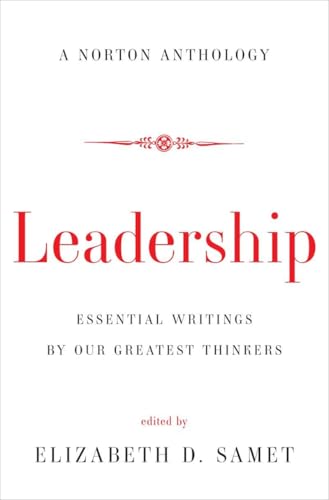
Elizabeth D. Samet

Steve Prentice
The quest for happiness often leads to frustration, as many fail to realize that the...

Reaching sixty can evoke complex emotions, blending relief with ongoing ambition. This...

The quest for life's purpose often leads to unsatisfactory answers. This article...

Romantic love is a complex emotion shaped by historical, cultural, and biological...

Imagine going through one of the most physically and emotionally demanding experiences...

Daily actions often conflict with personal beliefs due to past experiences. By utilizing...

Have you ever argued over something that wasn't actually said? From cultural differences...

Therapists often use dream interpretation to delve into patients' emotions, but true...