
Happiness & Success
Achieving Happiness Through Acceptance of Life
The quest for happiness often leads to frustration, as many fail to realize that the...









African American women navigate a complex landscape of stereotypes, expectations, and misrecognitions that profoundly shape their experiences of selfhood, community, and political identity. Understanding how Black women construct authentic identities while confronting persistent cultural myths represents not just an academic exercise, but a vital pathway toward personal liberation and collective healing.
This groundbreaking exploration reveals how deeply ingrained cultural narratives—the strong, self-sacrificing caretaker, the hypersexualized temptress, the angry antagonist—create invisible cages that constrain how Black women see themselves and how they are seen by others. These stereotypes aren't merely offensive caricatures from a bygone era; they actively shape contemporary experiences in workplaces, healthcare settings, intimate relationships, and political spaces. By bringing these unconscious frameworks into conscious awareness, readers gain powerful tools for recognizing and dismantling the limiting beliefs that operate beneath the surface of everyday interactions.
The journey through these pages offers profound insights into the psychology of resilience and survival. Black women have developed sophisticated strategies for maintaining dignity and sanity while facing persistent devaluation and misrecognition. These coping mechanisms, while necessary, often come at significant cost to mental health, authentic self-expression, and spiritual wellbeing. Understanding the phenomenon of the "crooked room"—a metaphor describing how people must constantly adjust themselves to navigate spaces built on skewed foundations—illuminates universal truths about marginalization, belonging, and the exhausting labor of presenting oneself in hostile environments.
Read more ▼
Robin Robertson

The marriage of sense and soul
Ken Wilber
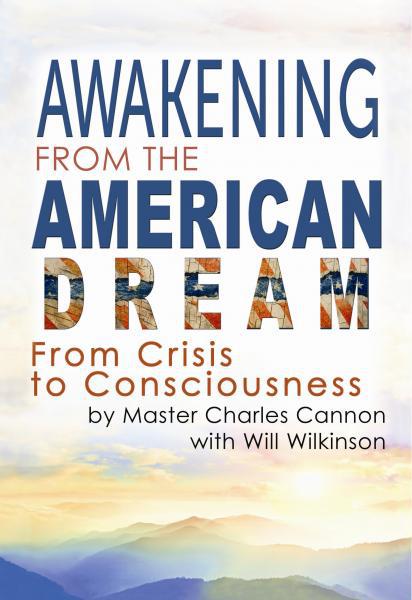
Awakening from the American Dream
Master Charles Cannon, Will Willkinson

Dwight Goddard
The quest for happiness often leads to frustration, as many fail to realize that the...

Reaching sixty can evoke complex emotions, blending relief with ongoing ambition. This...

The quest for life's purpose often leads to unsatisfactory answers. This article...

Romantic love is a complex emotion shaped by historical, cultural, and biological...

Imagine going through one of the most physically and emotionally demanding experiences...

Daily actions often conflict with personal beliefs due to past experiences. By utilizing...

Have you ever argued over something that wasn't actually said? From cultural differences...

Therapists often use dream interpretation to delve into patients' emotions, but true...