
Happiness & Success
Achieving Happiness Through Acceptance of Life
The quest for happiness often leads to frustration, as many fail to realize that the...









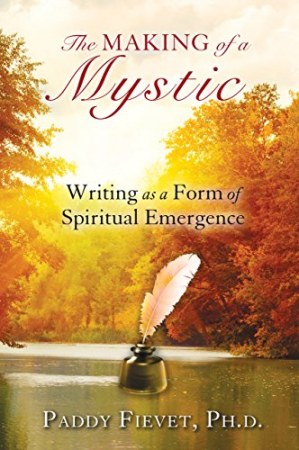
Spirituality doesn't always arrive in the packaging we expect. Sometimes the most profound insights about the divine come not from traditional religious institutions or ancient texts, but from the everyday experiences that make up our lives. The journey to understanding our place in the universe and connecting with something greater than ourselves often leads through unexpected territories, challenging us to reconsider everything we thought we knew about faith, meaning, and personal transformation.
At the heart of this exploration lies a fundamental question that has puzzled seekers throughout history: Where exactly should we be looking for transcendence? Many people spend years, even lifetimes, searching for spiritual fulfillment in places that seem logical or traditional, only to discover that the answers they seek have been hiding in plain sight all along. The search for meaning and connection with the divine isn't necessarily about joining the right organization, following the perfect guru, or adhering to rigid dogma. Instead, it might be about recognizing the sacred in moments and places we've been conditioned to overlook.
This comprehensive guide takes readers on a fascinating journey through the landscape of modern spirituality, examining how contemporary seekers navigate the complex terrain of religious tradition, New Age philosophy, and personal intuition. It addresses the confusion many people feel when traditional religious frameworks no longer resonate with their lived experience, yet the hunger for spiritual connection remains as strong as ever. The exploration reveals how popular culture, consumer spirituality, and the commodification of enlightenment can sometimes lead us astray, creating expectations and assumptions that actually distance us from genuine spiritual experience.
Read more ▼
Willemien Otten, W. Clark Gilpin

Cybersecurity What Everyone Needs to Know Paper
Peter W. Singer

David Chariandy
The quest for happiness often leads to frustration, as many fail to realize that the...

Reaching sixty can evoke complex emotions, blending relief with ongoing ambition. This...

The quest for life's purpose often leads to unsatisfactory answers. This article...

Romantic love is a complex emotion shaped by historical, cultural, and biological...

Imagine going through one of the most physically and emotionally demanding experiences...

Daily actions often conflict with personal beliefs due to past experiences. By utilizing...

Have you ever argued over something that wasn't actually said? From cultural differences...

Therapists often use dream interpretation to delve into patients' emotions, but true...