



Happiness & Success
Achieving Happiness Through Acceptance of Life
The quest for happiness often leads to frustration, as many fail to realize that the...








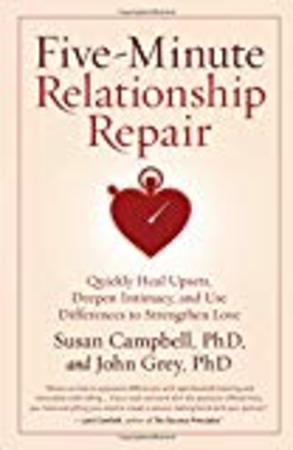
When conflict arises in our most important relationships, we often find ourselves caught in reactive patterns that create distance rather than connection. Most of us never learned how to navigate disagreements in ways that actually strengthen bonds instead of weakening them. What if there were a simple, proven method for turning relationship ruptures into opportunities for deeper intimacy and understanding?
At the heart of healthy relating lies a powerful yet often overlooked truth: it's not whether conflicts occur, but how quickly and effectively we repair them that determines relationship satisfaction and longevity. Research shows that successful couples aren't those who never fight, but those who know how to reconnect after disconnection. This approach offers a practical, time-efficient pathway to transforming those inevitable moments of misunderstanding, hurt feelings, and miscommunication into catalysts for growth.
The methodology presented here is built on decades of relationship research and therapeutic practice, distilled into an accessible format that anyone can learn and apply. At its core is a structured conversation process that guides partners through the essential steps of repair: acknowledging what happened, understanding each person's experience, taking responsibility where appropriate, and reconnecting with authenticity and care. The beauty of this approach lies in its simplicity and efficiency. Rather than letting resentments fester or engaging in lengthy, circular arguments, couples learn to address ruptures quickly and effectively, often in just five minutes.
Read more ▼
The quest for happiness often leads to frustration, as many fail to realize that the...

Reaching sixty can evoke complex emotions, blending relief with ongoing ambition. This...

The quest for life's purpose often leads to unsatisfactory answers. This article...

Romantic love is a complex emotion shaped by historical, cultural, and biological...

Imagine going through one of the most physically and emotionally demanding experiences...

Daily actions often conflict with personal beliefs due to past experiences. By utilizing...

Have you ever argued over something that wasn't actually said? From cultural differences...

Therapists often use dream interpretation to delve into patients' emotions, but true...