
Happiness & Success
Achieving Happiness Through Acceptance of Life
The quest for happiness often leads to frustration, as many fail to realize that the...








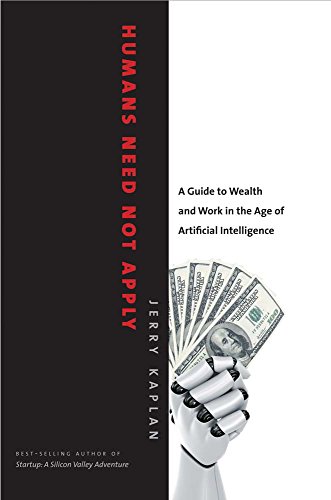
Imagine waking up one morning to discover that your job no longer exists—not because your company downsized, but because machines can now do your work better, faster, and cheaper than you ever could. This scenario isn't science fiction set in some distant future; it's a reality already unfolding around us, and understanding its implications is crucial for anyone seeking to navigate the rapidly transforming landscape of work, purpose, and human value in the 21st century.
At the heart of this exploration lies a fundamental question that touches every aspect of our lives: What does it mean to be human in an age when artificial intelligence and automation are reshaping not just our economy, but our very sense of identity and worth? This examination delves deep into the rise of intelligent machines and synthetic workers, revealing how advances in artificial intelligence are creating a new class of workers that don't eat, don't sleep, don't demand benefits, and continuously improve their performance.
Readers will discover that the coming transformation goes far beyond simple job displacement. This isn't just about robots on factory floors replacing assembly line workers—a process that's been happening for decades. Instead, we're entering an era where machines can perform cognitive tasks once thought to be the exclusive domain of human intelligence. From diagnosing diseases to writing news articles, from driving vehicles to managing investments, algorithms and automated systems are increasingly capable of handling complex decision-making that requires what we've traditionally called "thinking."
Read more ▼
Elizabeth Clare Prophet

Why Is the Dalai Lama Always Smiling?
Lama Tsomo, His Holiness Tenzin Gyatso the XIV Dalai Lama

Richard J. Leider, David A. Shapiro
The quest for happiness often leads to frustration, as many fail to realize that the...

Reaching sixty can evoke complex emotions, blending relief with ongoing ambition. This...

The quest for life's purpose often leads to unsatisfactory answers. This article...

Imagine going through one of the most physically and emotionally demanding experiences...

Romantic love is a complex emotion shaped by historical, cultural, and biological...

Daily actions often conflict with personal beliefs due to past experiences. By utilizing...

Have you ever argued over something that wasn't actually said? From cultural differences...

Therapists often use dream interpretation to delve into patients' emotions, but true...