
Happiness & Success
Achieving Happiness Through Acceptance of Life
The quest for happiness often leads to frustration, as many fail to realize that the...








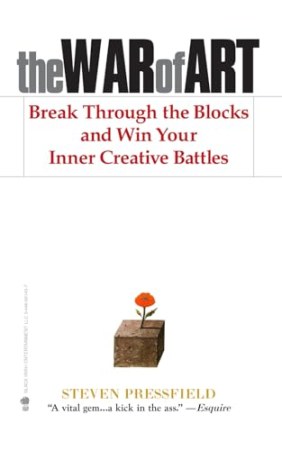
Every aspiring leader, activist, and changemaker faces an invisible enemy far more formidable than political opposition or institutional resistance. This force operates silently within, sabotaging efforts before they begin, whispering reasons to delay, to compromise, to abandon the very work that could transform communities and nations. Understanding and conquering this internal adversary becomes essential for anyone committed to creating meaningful political and social change.
At its core, this work identifies and names the primary obstacle preventing individuals from fulfilling their highest potential in public service and civic engagement. Termed "Resistance," this force manifests whenever someone attempts to move from a lower state of consciousness to a higher one, from inaction to action, from selfish pursuits to service-oriented endeavors. For those in the political sphere or aspiring to democratic participation, Resistance appears as procrastination on writing that crucial policy proposal, fear of public speaking, hesitation to organize community members, or endless preparation that never culminates in actual leadership.
The examination divides into three distinct books, each building upon the previous to create a comprehensive framework for understanding creative and political paralysis. The first section systematically dissects Resistance in all its manifestations, revealing how it operates through rationalization, self-doubt, drama, victimhood, and the seductive pull of immediate gratification over long-term meaningful work. Readers discover that Resistance grows stronger as the stakes increase—the more important a calling is to our soul's evolution and the greater good of society, the more ferociously this force attacks.
Read more ▼
The Civil War world of Herman Melville
Stanton Garner

Joseph E. Stiglitz, Linda J. Bilmes
Dan Millman

Gabriel Horn
The quest for happiness often leads to frustration, as many fail to realize that the...

Reaching sixty can evoke complex emotions, blending relief with ongoing ambition. This...

The quest for life's purpose often leads to unsatisfactory answers. This article...

Romantic love is a complex emotion shaped by historical, cultural, and biological...

Imagine going through one of the most physically and emotionally demanding experiences...

Daily actions often conflict with personal beliefs due to past experiences. By utilizing...

Have you ever argued over something that wasn't actually said? From cultural differences...

Therapists often use dream interpretation to delve into patients' emotions, but true...