
Happiness & Success
Achieving Happiness Through Acceptance of Life
The quest for happiness often leads to frustration, as many fail to realize that the...









Understanding the true nature of global economic conflicts requires looking beyond nations and recognizing the deeper dynamics at play. What appears on the surface as trade tensions between countries reveals itself, upon closer examination, as conflicts between different social classes spanning borders. This groundbreaking analysis challenges conventional wisdom about international economics and offers readers a transformative lens through which to view the world's most pressing economic challenges.
The familiar narrative about trade wars suggests that nations compete against each other for economic advantage, with some countries winning and others losing. However, this perspective fundamentally misunderstands the mechanics of global trade imbalances and their impact on ordinary people's lives. Instead, economic policies in various nations have created systematic transfers of wealth from workers to wealthy elites, both within and across borders. These policies have depressed wages, reduced consumption, and forced certain countries to run massive trade surpluses while others accumulate equally massive deficits.
Readers will discover how economic policies designed to suppress domestic consumption in surplus countries have far-reaching consequences for workers worldwide. When governments and central banks implement measures that keep wages low and concentrate wealth among the already wealthy, they create conditions where domestic demand cannot absorb domestic production. This excess production must find markets elsewhere, creating trade imbalances that profoundly affect workers in deficit countries. The result is a global system where workers everywhere face declining living standards, reduced job security, and diminishing prospects for economic advancement.
Read more ▼
The Civil War world of Herman Melville
Stanton Garner
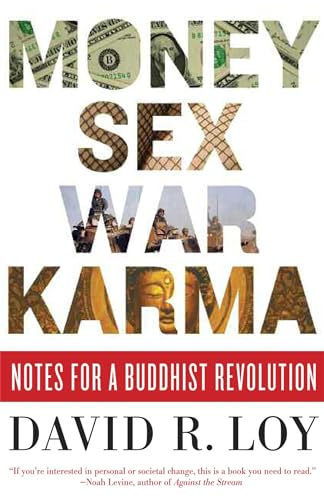
David R. Loy, David Loy
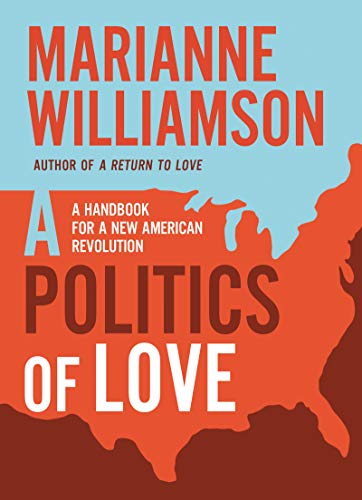
Marianne Williamson
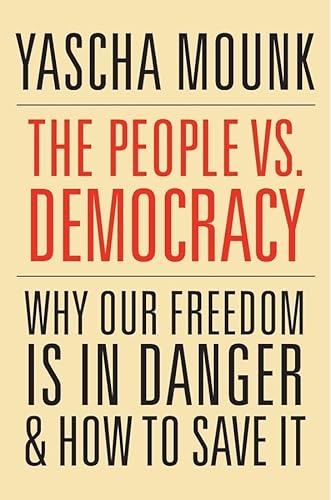
Yascha Mounk
The quest for happiness often leads to frustration, as many fail to realize that the...

Reaching sixty can evoke complex emotions, blending relief with ongoing ambition. This...

The quest for life's purpose often leads to unsatisfactory answers. This article...

Romantic love is a complex emotion shaped by historical, cultural, and biological...

Imagine going through one of the most physically and emotionally demanding experiences...

Daily actions often conflict with personal beliefs due to past experiences. By utilizing...

Have you ever argued over something that wasn't actually said? From cultural differences...

Therapists often use dream interpretation to delve into patients' emotions, but true...