
Happiness & Success
Achieving Happiness Through Acceptance of Life
The quest for happiness often leads to frustration, as many fail to realize that the...









At the intersection of profound mystical insight and radical social consciousness lies a collection of letters and essays that illuminate a path toward authentic spiritual awakening in the modern world. These writings emerge from a brilliant French philosopher who wrestled with the deepest questions of human existence during one of history's darkest periods, offering readers today a transformative framework for understanding suffering, attention, grace, and the nature of divine love.
The core teachings presented here revolve around a revolutionary concept: that spiritual truth requires not just belief or intellectual assent, but a quality of attention so pure and complete that it transforms our entire being. This isn't passive waiting in the ordinary sense, but an active cultivation of openness, a decreation of the ego that allows divine reality to fill the space we've cleared within ourselves. Readers discover practical wisdom about how to develop this capacity for attention through everyday experiences, from solving mathematical problems to encountering beauty in art and nature.
Central to these writings is an unflinching examination of affliction—not merely suffering, but the particular form of human anguish that threatens to destroy the soul itself. Rather than offering easy consolation, these pages present affliction as a potential doorway to spiritual understanding, provided we approach it with the right quality of attention. This perspective challenges conventional religious comfort while offering something far more profound: a way to find meaning and transcendence within the most difficult human experiences. For readers grappling with their own struggles or witnessing the suffering of others, this framework provides both solace and practical spiritual guidance.
Read more ▼
Stephen T. Sinatra, Sharon Whiteley, Step Sinatra, Dave Asprey
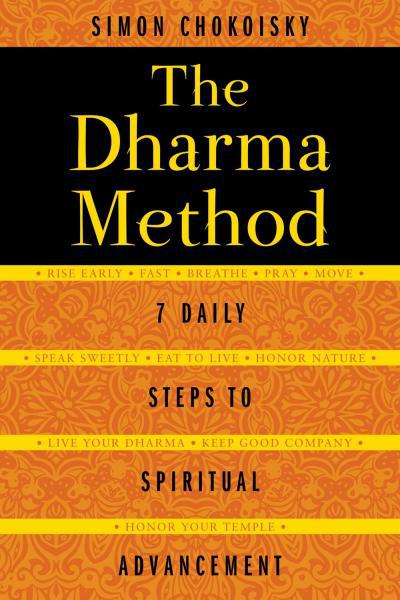
Simon Chokoisky

Ron Leifer

Profiles in courage for our time
Caroline Kennedy
The quest for happiness often leads to frustration, as many fail to realize that the...

Reaching sixty can evoke complex emotions, blending relief with ongoing ambition. This...

The quest for life's purpose often leads to unsatisfactory answers. This article...

Romantic love is a complex emotion shaped by historical, cultural, and biological...

Imagine going through one of the most physically and emotionally demanding experiences...

Have you ever argued over something that wasn't actually said? From cultural differences...

Daily actions often conflict with personal beliefs due to past experiences. By utilizing...

Therapists often use dream interpretation to delve into patients' emotions, but true...