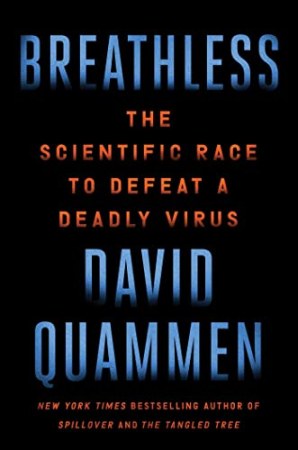
The COVID-19 pandemic reshaped our world in ways few could have predicted, challenging our sense of safety, community, and personal agency. Understanding how this global crisis emerged, evolved, and impacted humanity offers more than historical knowledge—it provides essential tools for navigating an uncertain future with wisdom, resilience, and empowered awareness.
At its core, this compelling exploration examines the scientific, social, and deeply human dimensions of a virus that brought civilization to its knees. Readers embark on a journey through the detective work of epidemiologists, virologists, and public health officials racing to understand a novel pathogen. The narrative illuminates how SARS-CoV-2 emerged from wildlife reservoirs, likely through spillover events where viruses jump from animals to humans—a phenomenon that has shaped human history repeatedly but never in such a globally connected era.
The investigation goes beyond dry scientific facts to reveal the intricate web connecting human activity, environmental disruption, and disease emergence. Deforestation, wildlife trade, industrial animal agriculture, and climate change create conditions ripe for new pathogens to enter human populations. This understanding empowers readers to see their individual choices and collective actions as part of larger ecological systems. Personal empowerment grows from this ecological awareness, recognizing that our relationship with nature directly influences our health and future security.
Readers gain invaluable perspective on how scientific knowledge develops under crisis conditions. The narrative demonstrates the messy, uncertain process of discovering truth when stakes are highest—when thousands die daily and societies demand immediate answers. This transparency about scientific process combats both blind faith and cynical dismissal, helping readers develop critical thinking skills essential for navigating information in an age of misinformation. Understanding how conclusions evolved from initial uncertainty to growing clarity empowers individuals to assess health information more wisely.
The examination of institutional responses—from local health departments to the World Health Organization—reveals both inspiring dedication and catastrophic failures. These insights help readers understand power structures, bureaucratic limitations, and the crucial importance of civic engagement. Personal empowerment includes recognizing where systems serve us well and where they fail, motivating informed advocacy for better preparedness and response mechanisms.
Perhaps most valuable is the focus on what makes populations vulnerable. The pandemic exposed and amplified existing inequalities—economic, racial, geographic, and social. Frontline workers, marginalized communities, and those without resources suffered disproportionately. Understanding these disparities isn't just about social justice; it's about recognizing that collective vulnerability undermines individual security. True personal empowerment requires addressing systemic inequities that make entire communities defenseless against health threats.
The narrative also explores human behavior under existential threat—the psychological responses ranging from denial and panic to adaptation and innovation. Readers discover patterns in how individuals and societies respond to invisible dangers, information that proves invaluable for personal development. Understanding these patterns allows for greater self-awareness during crises, helping readers recognize their own stress responses and choose more constructive reactions.
Looking forward, the work addresses the certainty of future pandemics. Climate change, population growth, and continued environmental destruction guarantee more spillover events. Rather than inducing helplessness, this knowledge becomes transformative when paired with actionable understanding. Readers learn what preparedness looks like at community, national, and global levels—and what role individuals can play in building resilience.
The exploration emphasizes that pandemic preparedness isn't merely about stockpiling supplies or avoiding germs. It requires understanding complex systems, advocating for science-based policy, supporting public health infrastructure, and fostering community bonds that provide mutual support during crises. These are all domains where individual action matters significantly.
Ultimately, readers emerge with expanded consciousness about humanity's place within natural systems, the power and limitations of science, the importance of trustworthy institutions, and the essential nature of collective action. This comprehensive understanding transforms abstract global events into personal meaning, replacing fear and confusion with clarity and purposeful engagement. The empowerment gained equips readers not just for the next pandemic, but for approaching any complex challenge with informed wisdom, realistic hope, and commitment to both personal and collective wellbeing.
Read more â–Ľ