


Happiness & Success
Achieving Happiness Through Acceptance of Life
The quest for happiness often leads to frustration, as many fail to realize that the...








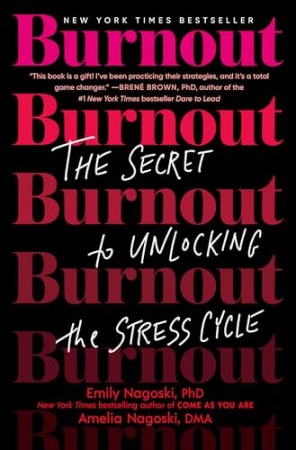
Exhaustion has become so normalized in modern life that many people don't recognize they're experiencing something far more serious than simple tiredness. What women across all walks of life are facing is a deep depletion that affects not just energy levels, but emotional resilience, physical health, relationships, and the ability to find meaning and joy in daily existence. This comprehensive exploration reveals why traditional advice about work-life balance and self-care often falls short, and provides a scientifically grounded roadmap for not just surviving, but genuinely thriving.
At the heart of this transformative work lies a crucial distinction that changes everything: the difference between the stressors we face and the stress itself. Stressors are the external demands, pressures, and challenges that trigger our body's stress response. But here's what most people don't understand: dealing with the stressor doesn't automatically deal with the stress. The physiological stress cycle that gets activated in our bodies needs to be completed, or it remains trapped inside us, accumulating over time like toxic residue. This incomplete stress cycle is what eventually leads to complete breakdown.
Readers will discover specific, evidence-based strategies for completing the stress cycle through movement, breathing, creative expression, physical affection, laughter, and emotional release. These aren't vague suggestions for bubble baths and face masks, but concrete practices rooted in neuroscience and physiology. Understanding how stress actually works in the body empowers readers to take targeted action rather than feeling helpless in the face of overwhelming demands.
Read more ▼
The quest for happiness often leads to frustration, as many fail to realize that the...

Reaching sixty can evoke complex emotions, blending relief with ongoing ambition. This...

The quest for life's purpose often leads to unsatisfactory answers. This article...

Imagine going through one of the most physically and emotionally demanding experiences...

Romantic love is a complex emotion shaped by historical, cultural, and biological...

Daily actions often conflict with personal beliefs due to past experiences. By utilizing...

Have you ever argued over something that wasn't actually said? From cultural differences...

Therapists often use dream interpretation to delve into patients' emotions, but true...