
Happiness & Success
Achieving Happiness Through Acceptance of Life
The quest for happiness often leads to frustration, as many fail to realize that the...








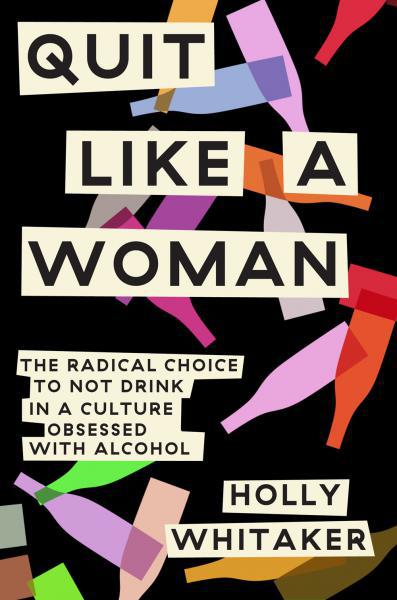
Women have been sold a particular narrative about alcohol: that it's a pathway to sophistication, relaxation, empowerment, and belonging. From wine mom culture to corporate happy hours, drinking has been positioned as both a reward for managing the overwhelming demands of modern life and a ticket to social connection. Yet for millions of women, this supposed elixir of liberation has become a trap, one that's nearly impossible to escape using traditional recovery methods designed primarily by and for men.
This groundbreaking work dismantles the entire framework of how we understand alcohol, addiction, and recovery from a specifically feminine perspective. Rather than accepting the disease model that dominates mainstream addiction treatment, readers encounter a radical reimagining that examines the cultural, political, and social forces that make alcohol particularly problematic for women while simultaneously making it nearly impossible to quit.
The exploration begins with a deeply personal journey through the landscape of drinking culture, exposing how marketing, media, and societal expectations have normalized and even glamorized women's alcohol consumption. Readers discover how the alcohol industry has deliberately targeted female consumers, creating products and campaigns designed to make drinking seem synonymous with independence, relaxation, and self-care. This cultural conditioning runs so deep that questioning one's relationship with alcohol can feel like rejecting femininity itself.
Read more ▼
Rosemary Sullivan
Chris Baréz-Brown
Heather McCloskey Beck
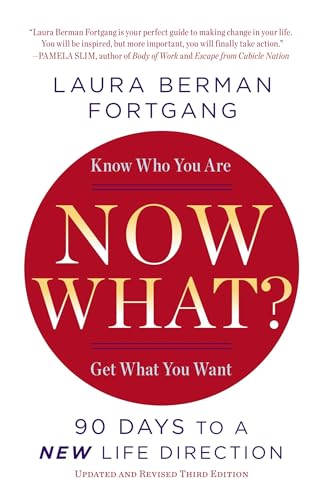
Laura Berman Fortgang
The quest for happiness often leads to frustration, as many fail to realize that the...

Reaching sixty can evoke complex emotions, blending relief with ongoing ambition. This...

The quest for life's purpose often leads to unsatisfactory answers. This article...

Romantic love is a complex emotion shaped by historical, cultural, and biological...

Imagine going through one of the most physically and emotionally demanding experiences...

Daily actions often conflict with personal beliefs due to past experiences. By utilizing...

Have you ever argued over something that wasn't actually said? From cultural differences...

Therapists often use dream interpretation to delve into patients' emotions, but true...