
Happiness & Success
Achieving Happiness Through Acceptance of Life
The quest for happiness often leads to frustration, as many fail to realize that the...








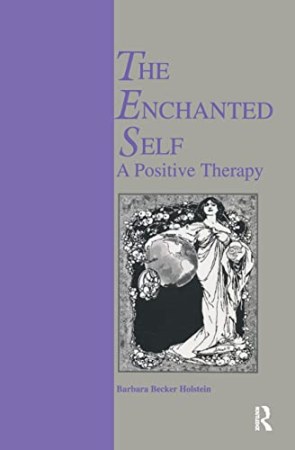
Positive psychology meets therapeutic innovation in this groundbreaking approach to mental health and personal transformation. Rather than focusing solely on what's wrong with us, this therapeutic framework invites readers to discover and cultivate what's inherently right, beautiful, and powerful within themselves. The methodology presented here represents a significant departure from traditional problem-focused therapy, offering instead a path toward healing that emphasizes joy, creativity, and personal strength.
At the heart of this transformative approach lies the concept of reconnecting with the parts of ourselves that feel most alive, creative, and authentically expressed. Too often, the demands of daily life, past traumas, and societal expectations bury our most vibrant qualities beneath layers of anxiety, depression, and self-doubt. This work provides both theoretical foundation and practical techniques for excavating these buried treasures and bringing them back into conscious awareness where they can serve as powerful resources for healing and growth.
The framework presented draws on extensive clinical experience and psychological research to demonstrate how identifying and amplifying positive experiences from our past can create profound shifts in our present wellbeing. By learning to access memories of times when we felt most capable, joyful, and authentic, we create neural pathways that support mental health and emotional resilience. These aren't merely pleasant reminiscences but powerful psychological resources that can be deliberately cultivated and strengthened through specific practices.
Read more ▼
Doreen Virtue

Julia Cameron

A Physician's handbook on orthomolecular medicine
Dwight K. Kalita, Roger John Williams

Michael J. Gelb, Bruce Fertman
The quest for happiness often leads to frustration, as many fail to realize that the...

Reaching sixty can evoke complex emotions, blending relief with ongoing ambition. This...

The quest for life's purpose often leads to unsatisfactory answers. This article...

Romantic love is a complex emotion shaped by historical, cultural, and biological...

Imagine going through one of the most physically and emotionally demanding experiences...

Have you ever argued over something that wasn't actually said? From cultural differences...

Daily actions often conflict with personal beliefs due to past experiences. By utilizing...

Therapists often use dream interpretation to delve into patients' emotions, but true...