
Happiness & Success
Achieving Happiness Through Acceptance of Life
The quest for happiness often leads to frustration, as many fail to realize that the...









At the heart of every thriving society lies a fundamental truth that we often overlook in our daily lives: the quality of relationships that shape a child's earliest years determines not just individual destinies, but the collective future of humanity. This comprehensive examination of global childhood conditions reveals how the bonds of love, care, and commitment in early life create ripples that extend far beyond the family unit, touching every aspect of human development and social progress.
Leadership in the formative years represents perhaps the most critical relationship dynamic of all. When we explore how nations, communities, and families invest in their youngest members, we discover profound truths about our capacity for compassion, our commitment to future generations, and our understanding of interconnectedness. The evidence presented demonstrates that societies flourishing today are those that recognized decades ago that nurturing children requires more than material provision—it demands emotional presence, protective structures, and an unwavering dedication to creating environments where young people can develop their full potential.
The relationship between caregiver and child emerges as the foundation upon which all other human connections are built. Through extensive research and real-world examples from diverse cultures, we learn how responsive parenting, consistent emotional availability, and secure attachment in infancy and early childhood create neural pathways that influence relationship capacity throughout life. Children who experience reliable, loving care develop the emotional intelligence and trust necessary to form healthy bonds with others, breaking cycles of trauma and creating new patterns of connection that transform families and communities.
Read more ▼
Linda E. Savage

Judy Mandel
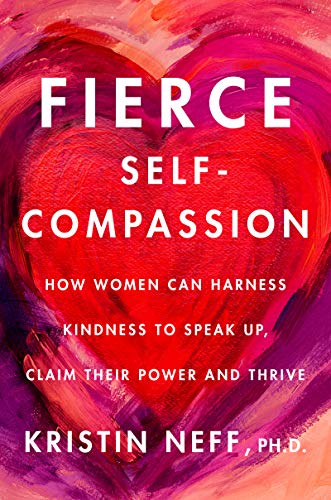
Kristin Neff

Marianne Williamson
The quest for happiness often leads to frustration, as many fail to realize that the...

Reaching sixty can evoke complex emotions, blending relief with ongoing ambition. This...

The quest for life's purpose often leads to unsatisfactory answers. This article...

Romantic love is a complex emotion shaped by historical, cultural, and biological...

Imagine going through one of the most physically and emotionally demanding experiences...

Daily actions often conflict with personal beliefs due to past experiences. By utilizing...

Have you ever argued over something that wasn't actually said? From cultural differences...

Therapists often use dream interpretation to delve into patients' emotions, but true...