
Happiness & Success
Achieving Happiness Through Acceptance of Life
The quest for happiness often leads to frustration, as many fail to realize that the...








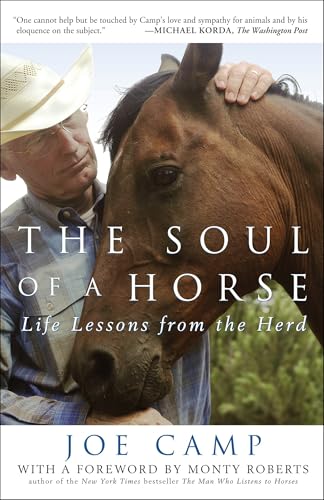
Horses have lived alongside humans for thousands of years, yet most of what we think we know about their care, training, and nature comes from traditions that may not serve these magnificent creatures as well as we believe. A groundbreaking exploration into the true needs and nature of horses reveals surprising truths that challenge conventional wisdom and invite us into a deeper, more authentic relationship with these sentient beings.
At the heart of this transformative journey lies a simple but radical question: What do horses really need to thrive, not just survive? The answer takes readers on an unexpected path that dismantles long-held assumptions about proper horse care. Through personal experience, extensive research, and consultation with leading equine experts, a compelling case emerges for returning to a more natural approach to horse keeping—one that honors the horse's evolutionary design and innate behavioral needs rather than forcing them to adapt to human convenience.
The exploration begins with a fundamental revelation about the equine digestive system and how modern feeding practices often work directly against a horse's biological requirements. Horses evolved as constant grazers, designed to eat small amounts of food continuously throughout the day and night. Yet traditional boarding and care practices typically involve confining horses to stalls and feeding them large meals twice daily. This disconnect between nature and practice leads to numerous health issues, from ulcers to colic, that many accept as inevitable when they are actually preventable.
Read more ▼
Exploring the Hidden Power of Female Sexuality
Maitreyi D. Piontek

Bernie S. Siegel, Cynthia J. Hurn, Allen M. Schoen
Karla McLaren
The Intelligent Gardener Growing Nutrientdense Food
Steve Solomon
The quest for happiness often leads to frustration, as many fail to realize that the...

Reaching sixty can evoke complex emotions, blending relief with ongoing ambition. This...

The quest for life's purpose often leads to unsatisfactory answers. This article...

Romantic love is a complex emotion shaped by historical, cultural, and biological...

Imagine going through one of the most physically and emotionally demanding experiences...

Daily actions often conflict with personal beliefs due to past experiences. By utilizing...

Have you ever argued over something that wasn't actually said? From cultural differences...

Therapists often use dream interpretation to delve into patients' emotions, but true...