
Happiness & Success
Achieving Happiness Through Acceptance of Life
The quest for happiness often leads to frustration, as many fail to realize that the...








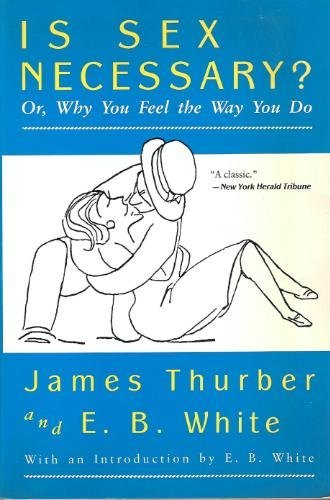
Beneath the surface of conventional wisdom about human relationships and romantic attachments lies a treasure trove of satirical insight that challenges our most deeply held assumptions about intimacy, desire, and the psychological forces that shape our emotional lives. This brilliant work of humor employs wit and whimsy to excavate profound truths about the human condition, offering readers a refreshing perspective on the often bewildering landscape of romantic and sexual relationships.
At its core, this exploration serves as both a parody of early twentieth-century sex manuals and a genuine inquiry into the psychological and social dynamics that influence our feelings about intimacy. Through a series of essays that blend scientific pretense with absurdist humor, readers encounter a mirror held up to society's anxieties, misconceptions, and contradictions regarding one of life's most fundamental aspects. The approach is deliberately irreverent, using comedy as a vehicle for deeper understanding rather than trivializing the subject matter.
What makes this work particularly valuable for those on a path of personal growth is its ability to create distance from our habitual patterns of thinking. By presenting exaggerated theories, fictional case studies, and deliberately preposterous conclusions drawn from "research," the text encourages readers to examine their own beliefs about relationships with fresh eyes. This comedic detachment allows for a kind of mindful observation of our conditioning around sexuality, gender roles, and emotional vulnerability. When we laugh at the absurdity presented on the page, we simultaneously recognize echoes of real attitudes and behaviors in ourselves and our culture.
Read more ▼
Bud Harris

Kazuki Sekida

Dr. Brenda Davies

Michael
The quest for happiness often leads to frustration, as many fail to realize that the...

Reaching sixty can evoke complex emotions, blending relief with ongoing ambition. This...

The quest for life's purpose often leads to unsatisfactory answers. This article...

Romantic love is a complex emotion shaped by historical, cultural, and biological...

Imagine going through one of the most physically and emotionally demanding experiences...

Daily actions often conflict with personal beliefs due to past experiences. By utilizing...

Have you ever argued over something that wasn't actually said? From cultural differences...

Therapists often use dream interpretation to delve into patients' emotions, but true...