
Happiness & Success
Achieving Happiness Through Acceptance of Life
The quest for happiness often leads to frustration, as many fail to realize that the...








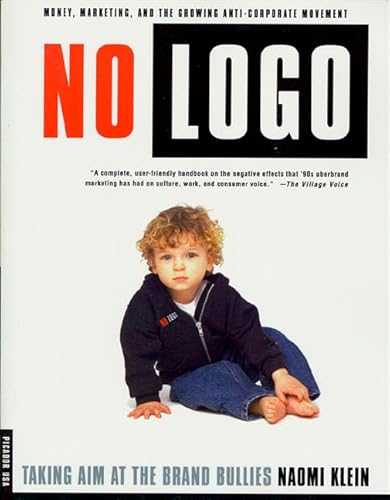
The consumer landscape underwent a radical transformation in the final decades of the twentieth century, fundamentally altering our relationship with products, companies, and our own identities. This groundbreaking examination reveals how corporations shifted from manufacturing products to manufacturing meaning, moving away from what they make and toward what they represent. Through meticulous research and compelling storytelling, readers discover the hidden mechanisms through which brands have infiltrated every aspect of modern life, from our clothing choices to our sense of self-worth.
At the heart of this exploration lies a disturbing trend: the erosion of public and mental space in favor of commercial messaging. Where previous generations might have seen a billboard or two during their daily commute, contemporary citizens navigate through thousands of brand impressions before breakfast. Schools, once sacred spaces for learning, have become branded environments where corporations reach captive audiences of young people. Universities transform into corporate research facilities, their independence compromised by financial dependencies. Even our streets, parks, and cultural events bear the stamp of corporate sponsorship, raising profound questions about what remains truly public in our society.
The investigation goes far beyond surface-level critique of advertising excess. Readers journey into the factories, free trade zones, and sweatshops where branded goods are actually produced, uncovering a stark contradiction between the values companies project and the realities of their manufacturing practices. While brands position themselves as champions of diversity, empowerment, and social progress through their marketing campaigns, their supply chains often tell a different story altogether. Workers, predominantly women in developing nations, labor in conditions that would shock consumers who believe they're supporting ethical companies. The distance between production and consumption becomes not just geographical but moral, allowing corporations to maintain carefully crafted images while outsourcing responsibility for working conditions.
Read more ▼
Sean McMann

Eileen Workman

John A., Diadra Price

Neale Donald Walsch
The quest for happiness often leads to frustration, as many fail to realize that the...

Reaching sixty can evoke complex emotions, blending relief with ongoing ambition. This...

The quest for life's purpose often leads to unsatisfactory answers. This article...

Romantic love is a complex emotion shaped by historical, cultural, and biological...

Imagine going through one of the most physically and emotionally demanding experiences...

Daily actions often conflict with personal beliefs due to past experiences. By utilizing...

Have you ever argued over something that wasn't actually said? From cultural differences...

Therapists often use dream interpretation to delve into patients' emotions, but true...