
Happiness & Success
Achieving Happiness Through Acceptance of Life
The quest for happiness often leads to frustration, as many fail to realize that the...








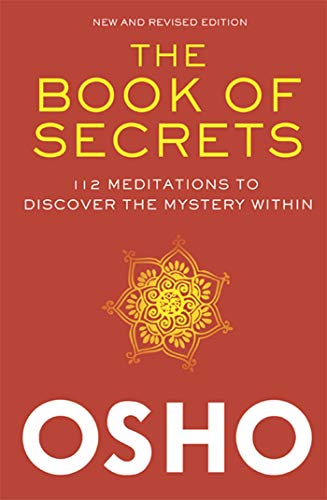
Ancient Tantric wisdom meets contemporary spiritual seeking in this profound exploration of 112 meditation techniques originally revealed in a sacred Sanskrit text known as the Vigyan Bhairav Tantra. These timeless methods for achieving enlightenment and self-realization are presented through extensive commentary that makes these esoteric practices accessible to modern seekers, regardless of their religious background or spiritual experience.
At the heart of these teachings lies a revolutionary understanding: there is no single path to awakening. Instead, human consciousness can be approached through countless doorways, each suited to different personality types, psychological makeups, and individual temperaments. This recognition represents a dramatic departure from dogmatic spiritual traditions that insist on one correct method for all practitioners. The expansive view presented here honors the uniqueness of each individual's journey while providing practical techniques that have guided seekers toward transformation for thousands of years.
The meditation methods explored range from simple breathing techniques to complex visualizations, from awareness practices centered on ordinary activities to profound contemplations on existence itself. Some techniques focus on the body, others on emotions, still others on pure consciousness. This diversity ensures that every reader can find approaches that resonate with their own nature and circumstances. A person living an active life in the world will find different techniques suitable than someone pursuing a monastic existence, and this inclusive approach acknowledges the legitimacy of all authentic paths.
Read more ▼
James F. Twyman
author of 'The Leap' and 'Spiritual Science' Steve Taylor
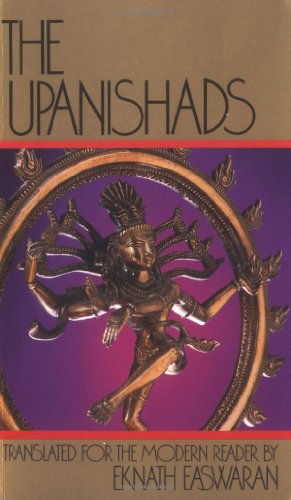
Eknath Easwaran, Michael N. Nagler

Sandra Rudloff
The quest for happiness often leads to frustration, as many fail to realize that the...

Reaching sixty can evoke complex emotions, blending relief with ongoing ambition. This...

The quest for life's purpose often leads to unsatisfactory answers. This article...

Romantic love is a complex emotion shaped by historical, cultural, and biological...

Imagine going through one of the most physically and emotionally demanding experiences...

Daily actions often conflict with personal beliefs due to past experiences. By utilizing...

Have you ever argued over something that wasn't actually said? From cultural differences...

Therapists often use dream interpretation to delve into patients' emotions, but true...