
Happiness & Success
Achieving Happiness Through Acceptance of Life
The quest for happiness often leads to frustration, as many fail to realize that the...








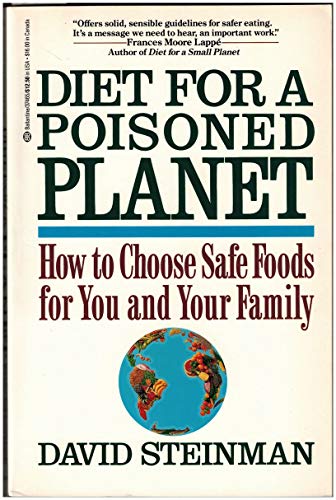
Our modern food system harbors invisible dangers that most consumers never consider as they navigate supermarket aisles or sit down to dinner. Pesticides, industrial pollutants, and chemical contaminants have infiltrated the food chain at every level, transforming what should be sources of nourishment into potential threats to our health and wellbeing. Understanding these risks and learning how to protect ourselves and our families represents one of the most important steps we can take toward genuine wellness in the contemporary world.
This groundbreaking work emerged from extensive research and testing that examined over a decade's worth of data on chemical contamination in common foods. Through rigorous analysis of government reports, scientific studies, and independent laboratory testing, readers gain access to information that fundamentally challenges assumptions about food safety. The investigation reveals how regulatory agencies have often failed to protect public health, allowing dangerous levels of toxins to remain legally permissible in everyday foods.
The journey through these pages illuminates how industrial agriculture has prioritized production quantity over food quality and safety. Readers discover the extensive use of synthetic pesticides, herbicides, and fungicides that leave residues on and within the foods we consume daily. Beyond agricultural chemicals, the exploration extends to industrial pollutants like PCBs, dioxins, and heavy metals that accumulate in the food chain, concentrating especially in animal products. These revelations about contamination in meat, dairy, fish, fruits, and vegetables provide a sobering reality check about standard dietary choices.
Read more ▼
Herbs for healthy skin, hair and nails
Brigitte Mars
Bridgette Shea L.Ac. MAcOM

Sue Spitler, Linda R. Yoakam

Christopher Vasey
The quest for happiness often leads to frustration, as many fail to realize that the...

Reaching sixty can evoke complex emotions, blending relief with ongoing ambition. This...

The quest for life's purpose often leads to unsatisfactory answers. This article...

Romantic love is a complex emotion shaped by historical, cultural, and biological...

Imagine going through one of the most physically and emotionally demanding experiences...

Daily actions often conflict with personal beliefs due to past experiences. By utilizing...

Have you ever argued over something that wasn't actually said? From cultural differences...

Therapists often use dream interpretation to delve into patients' emotions, but true...