
Happiness & Success
Achieving Happiness Through Acceptance of Life
The quest for happiness often leads to frustration, as many fail to realize that the...








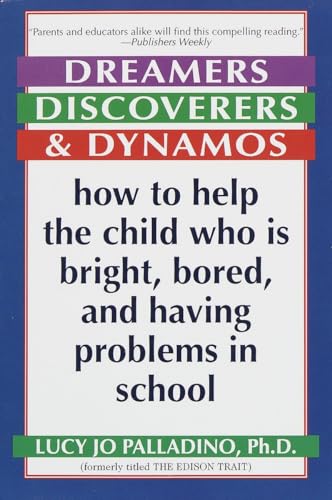
For anyone who has ever felt restless, easily bored, or struggled to maintain focus in conventional settings, understanding the unique wiring of the Edison-trait mind offers a revolutionary path to personal empowerment and self-acceptance. This groundbreaking exploration reveals how certain individuals possess a distinctive neurological makeup that drives them toward creativity, innovation, and dynamic thinking, yet often causes them to clash with traditional educational and workplace environments.
The Edison trait describes a specific cognitive style characterized by divergent thinking, heightened curiosity, and an intense need for stimulation and variety. People with this trait are often the dreamers who envision possibilities others cannot see, the discoverers who question established norms and seek new knowledge relentlessly, and the dynamos whose energy and enthusiasm can transform entire organizations. However, these same individuals frequently struggle with tasks requiring sustained attention to routine matters, leading to frustration, underachievement, and misunderstanding from those around them.
Rather than pathologizing this cognitive style as a disorder requiring correction, this work presents a compassionate and empowering framework for recognizing it as a legitimate difference with tremendous potential. Readers discover how many of history's greatest innovators, inventors, and creative geniuses possessed these exact characteristics. Thomas Edison himself exemplified this pattern, demonstrating both the struggles and spectacular achievements possible when this trait is properly understood and channeled.
Read more ▼
Yogananda Paramahansa

Debra Waterhouse

Sara Avant Stover

Elizabeth Clare Prophet
The quest for happiness often leads to frustration, as many fail to realize that the...

Reaching sixty can evoke complex emotions, blending relief with ongoing ambition. This...

The quest for life's purpose often leads to unsatisfactory answers. This article...

Romantic love is a complex emotion shaped by historical, cultural, and biological...

Imagine going through one of the most physically and emotionally demanding experiences...

Daily actions often conflict with personal beliefs due to past experiences. By utilizing...

Have you ever argued over something that wasn't actually said? From cultural differences...

Therapists often use dream interpretation to delve into patients' emotions, but true...