
Happiness & Success
Achieving Happiness Through Acceptance of Life
The quest for happiness often leads to frustration, as many fail to realize that the...








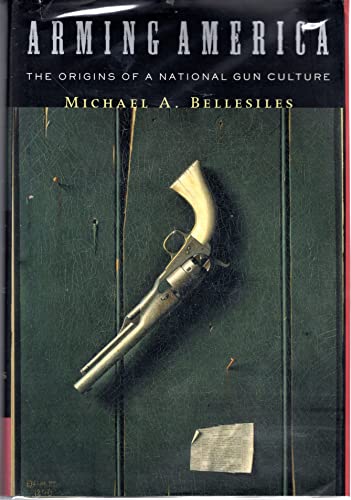
Deep within the American psyche lies a powerful mythology about guns, individualism, and the founding of the nation. For generations, citizens have been taught that firearms were central to colonial life, that every household possessed multiple weapons, and that marksmanship was a universal skill passed from father to son. This sweeping historical investigation challenges these deeply held beliefs and invites readers on a transformative journey through America's past, revealing a dramatically different picture of how early Americans actually lived, worked, and defended themselves.
Through meticulous examination of probate records, militia reports, travel journals, and manufacturing data spanning from colonial times through the Civil War, a startling pattern emerges. Contrary to popular belief, guns were remarkably scarce in early America. Most households owned no firearms whatsoever. Those weapons that did exist were often in disrepair, non-functional, or lacking ammunition. Rather than a nation of sharpshooters, colonial and early American society featured citizens largely unfamiliar with firearms, militias that struggled to arm themselves, and a culture that viewed guns as expensive tools of limited utility rather than essential possessions or symbols of freedom.
This revelation carries profound implications for personal empowerment and self-awareness in contemporary society. Understanding how cultural myths shape identity allows individuals to question other unexamined assumptions that may be limiting their growth and authentic self-expression. When cherished national narratives prove to be constructions rather than historical facts, readers gain permission to examine their own belief systems with similar scrutiny. What other stories have we internalized without question? Which aspects of our personal and collective identity rest on shaky historical foundations?
Read more ▼
Nik Douglas, Penny Slinger

When God Steps In Miracles Happen
Neale Donald Walsh

Tom Anderson

Guy Finley
The quest for happiness often leads to frustration, as many fail to realize that the...

Reaching sixty can evoke complex emotions, blending relief with ongoing ambition. This...

The quest for life's purpose often leads to unsatisfactory answers. This article...

Imagine going through one of the most physically and emotionally demanding experiences...

Romantic love is a complex emotion shaped by historical, cultural, and biological...

Daily actions often conflict with personal beliefs due to past experiences. By utilizing...

Have you ever argued over something that wasn't actually said? From cultural differences...

Therapists often use dream interpretation to delve into patients' emotions, but true...