

Happiness & Success
Achieving Happiness Through Acceptance of Life
The quest for happiness often leads to frustration, as many fail to realize that the...








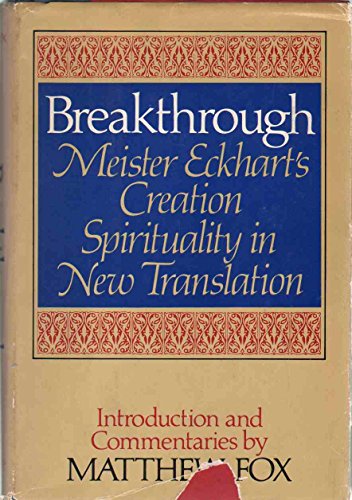
Medieval mystic wisdom meets contemporary spiritual awakening in this groundbreaking translation that recovers one of Christianity's most radical and transformative voices. These writings offer a fresh encounter with creation spirituality, a path that celebrates the divine presence in all of creation and recognizes the sacred potential within every human being. Rather than emphasizing sin, guilt, and redemption, this approach invites readers into a spirituality of blessing, original goodness, and cosmic consciousness.
The translation presents sermons, treatises, and teachings that challenge conventional religious thinking while opening doorways to profound mystical experience. At its heart lies a revolutionary understanding of the relationship between humanity and divinity, one that dissolves the artificial separation between sacred and secular, spirit and matter, God and creation. Readers encounter a vision where divine presence permeates everything, where the ground of the soul is identical with the ground of God, and where spiritual awakening means recognizing what has always been true rather than becoming something different.
Central to these teachings is the concept of breakthrough, the moment when consciousness transcends all concepts, images, and dualistic thinking to experience unmediated union with the divine source. This isn't presented as an achievement reserved for religious specialists but as the birthright of every person willing to undertake the inner journey. The path described involves letting go of attachment to things, to self-image, even to conventional ideas about God, creating an inner emptiness that paradoxically becomes fullness when filled with divine presence.
Read more ▼
The quest for happiness often leads to frustration, as many fail to realize that the...

Reaching sixty can evoke complex emotions, blending relief with ongoing ambition. This...

The quest for life's purpose often leads to unsatisfactory answers. This article...

Romantic love is a complex emotion shaped by historical, cultural, and biological...

Imagine going through one of the most physically and emotionally demanding experiences...

Daily actions often conflict with personal beliefs due to past experiences. By utilizing...

Have you ever argued over something that wasn't actually said? From cultural differences...

Therapists often use dream interpretation to delve into patients' emotions, but true...